

HCFF Volunteers Join Green Sucker Research Effort on the Weber River
June 11, 2026
By Bruce Pope:
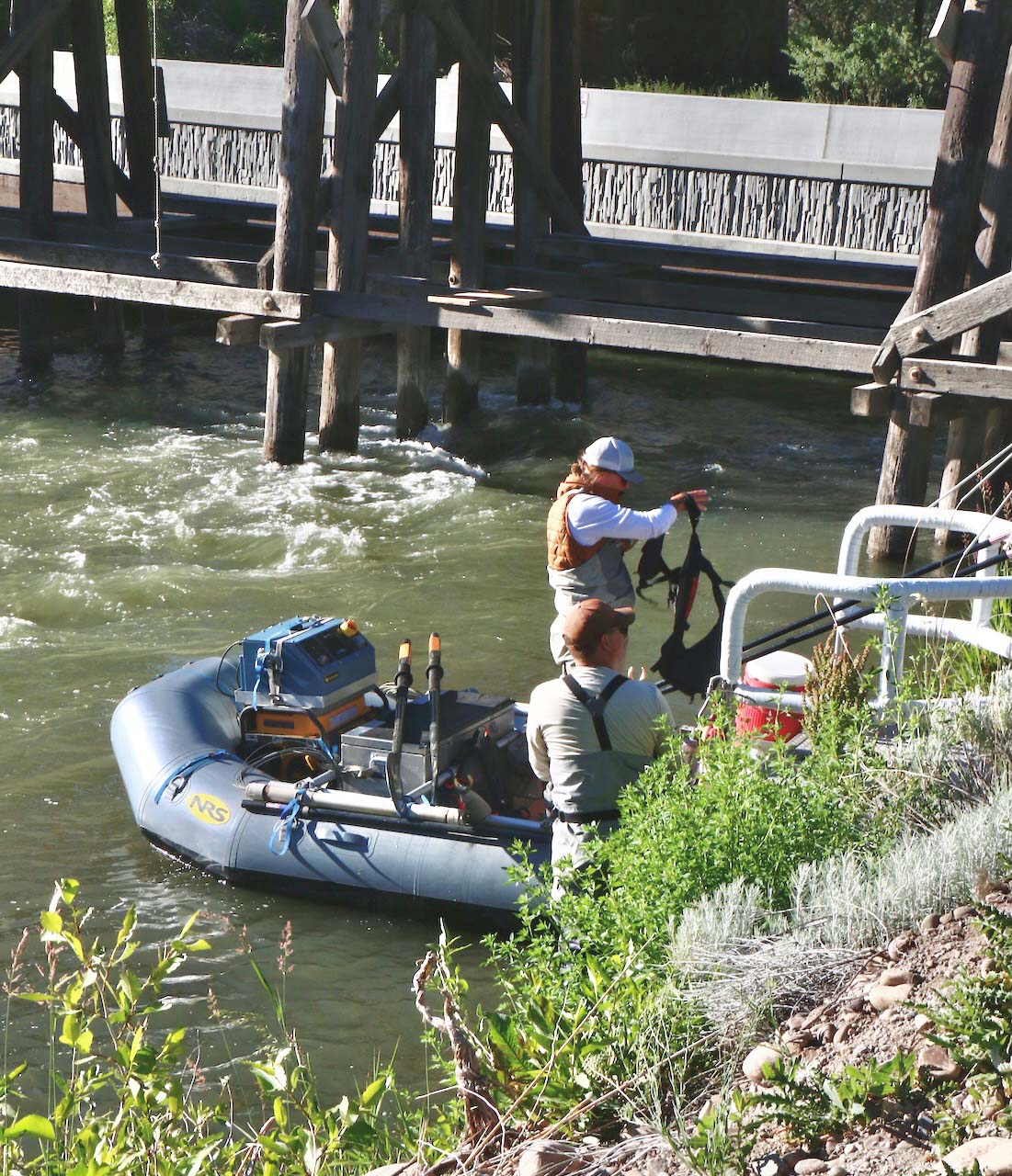
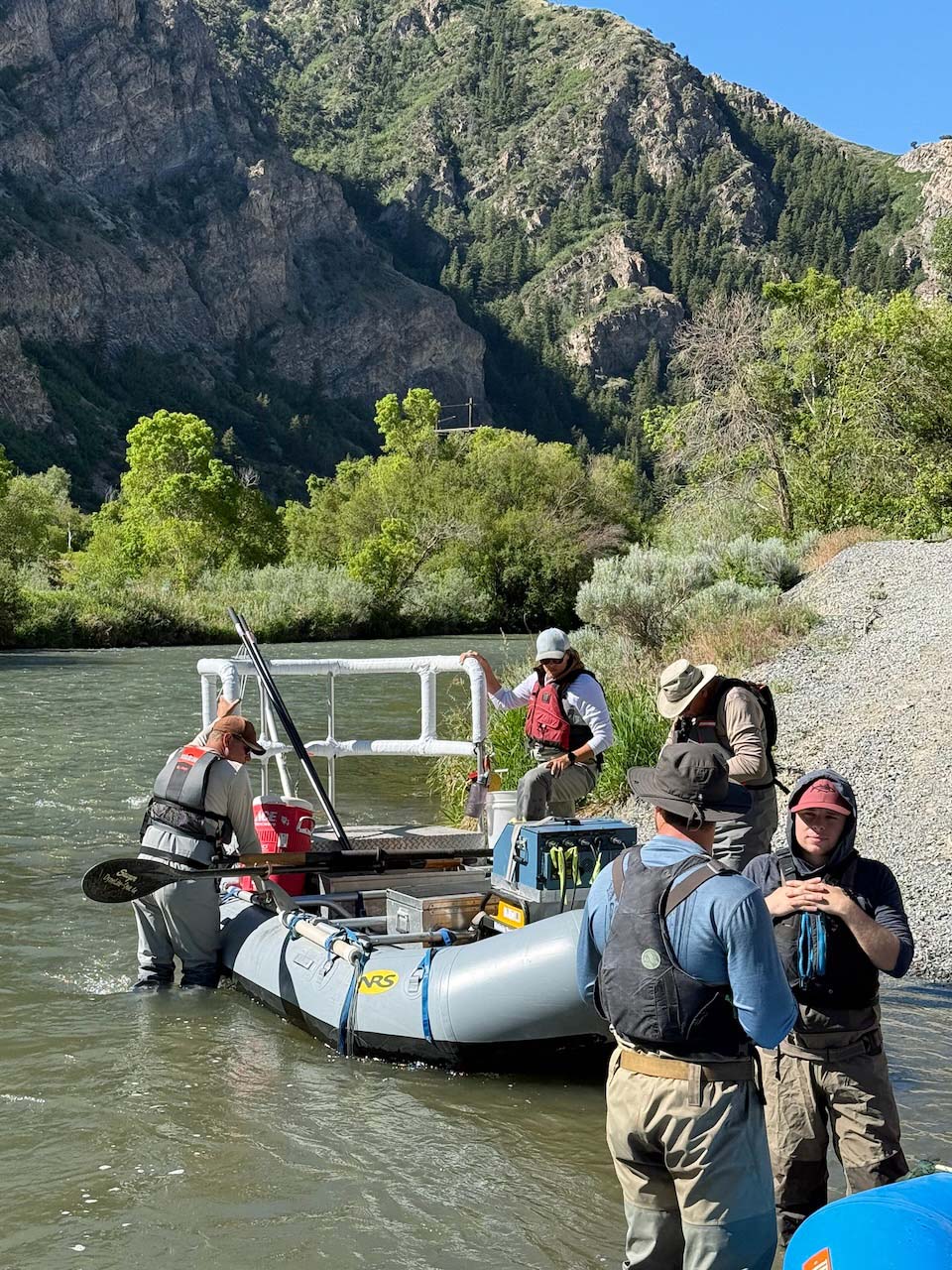
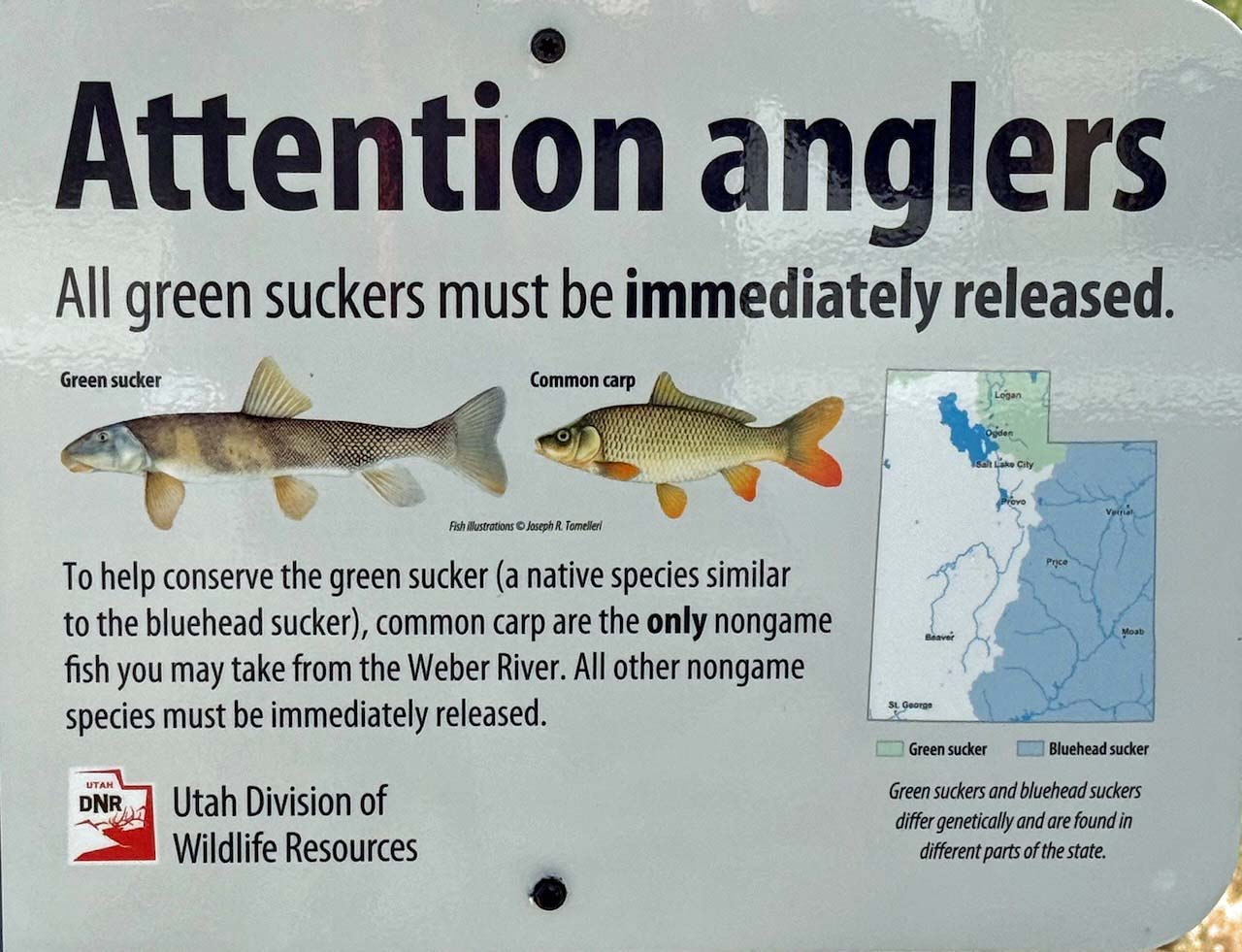
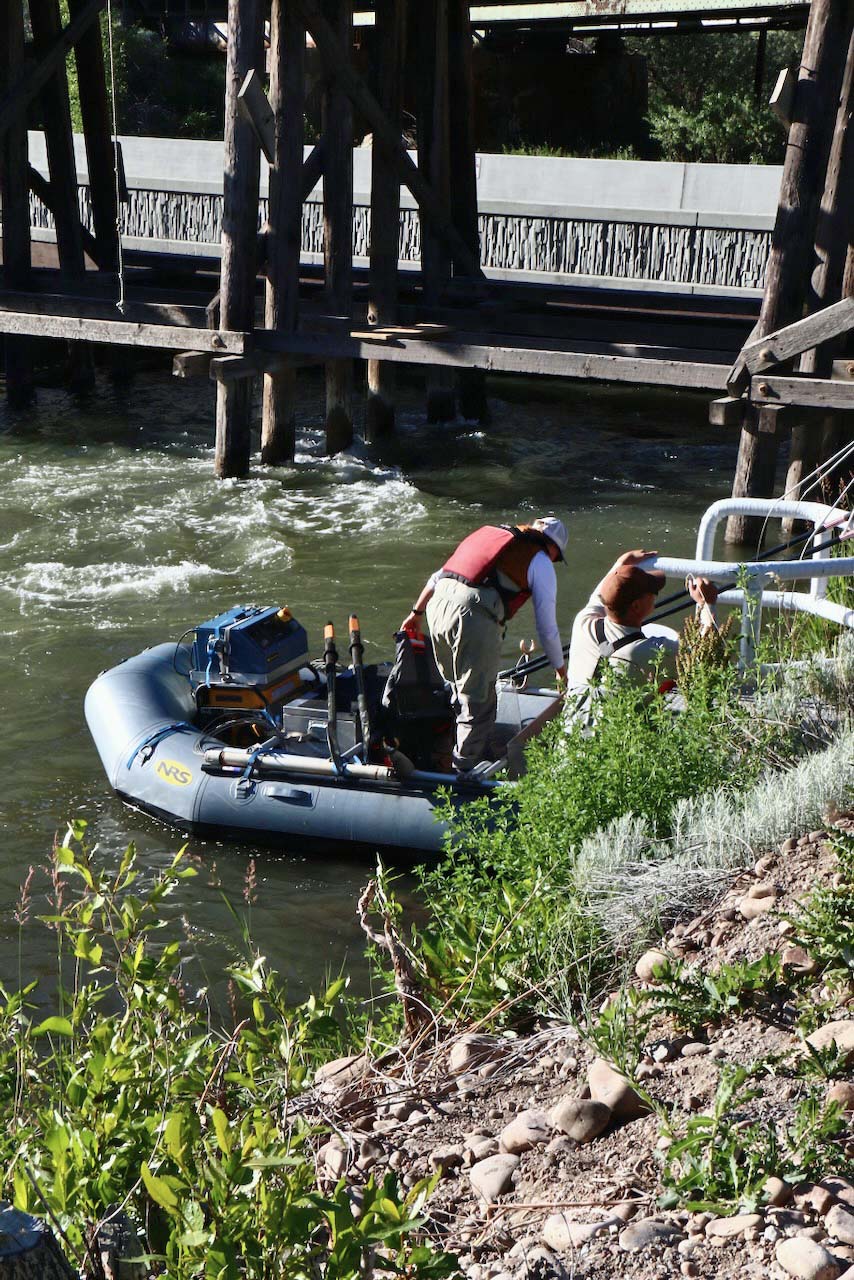
High Country Fly Fishers volunteers recently had the opportunity to participate in an important conservation project on the Lower Weber River, assisting researchers from Utah State University and the Utah Division of Wildlife Resources in their efforts to better understand and protect Utah's native Green Sucker.
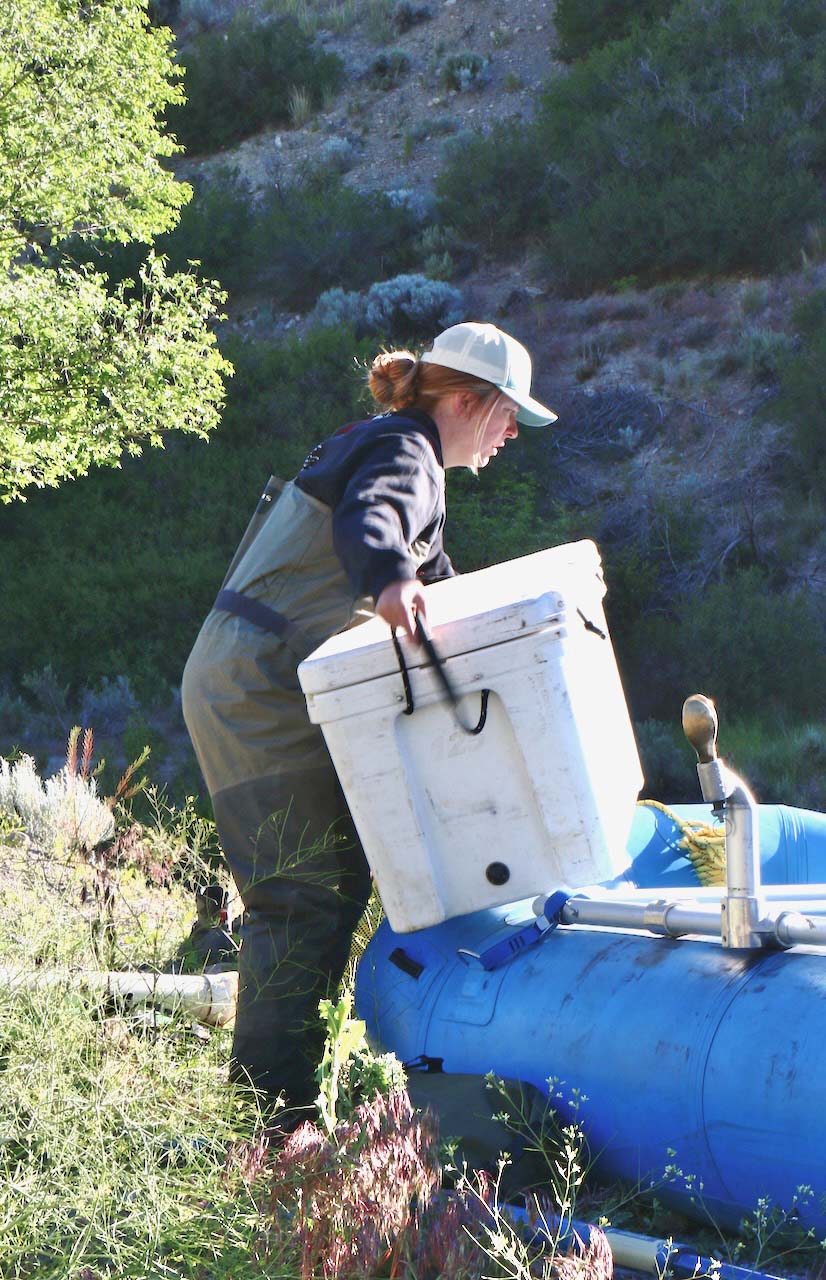
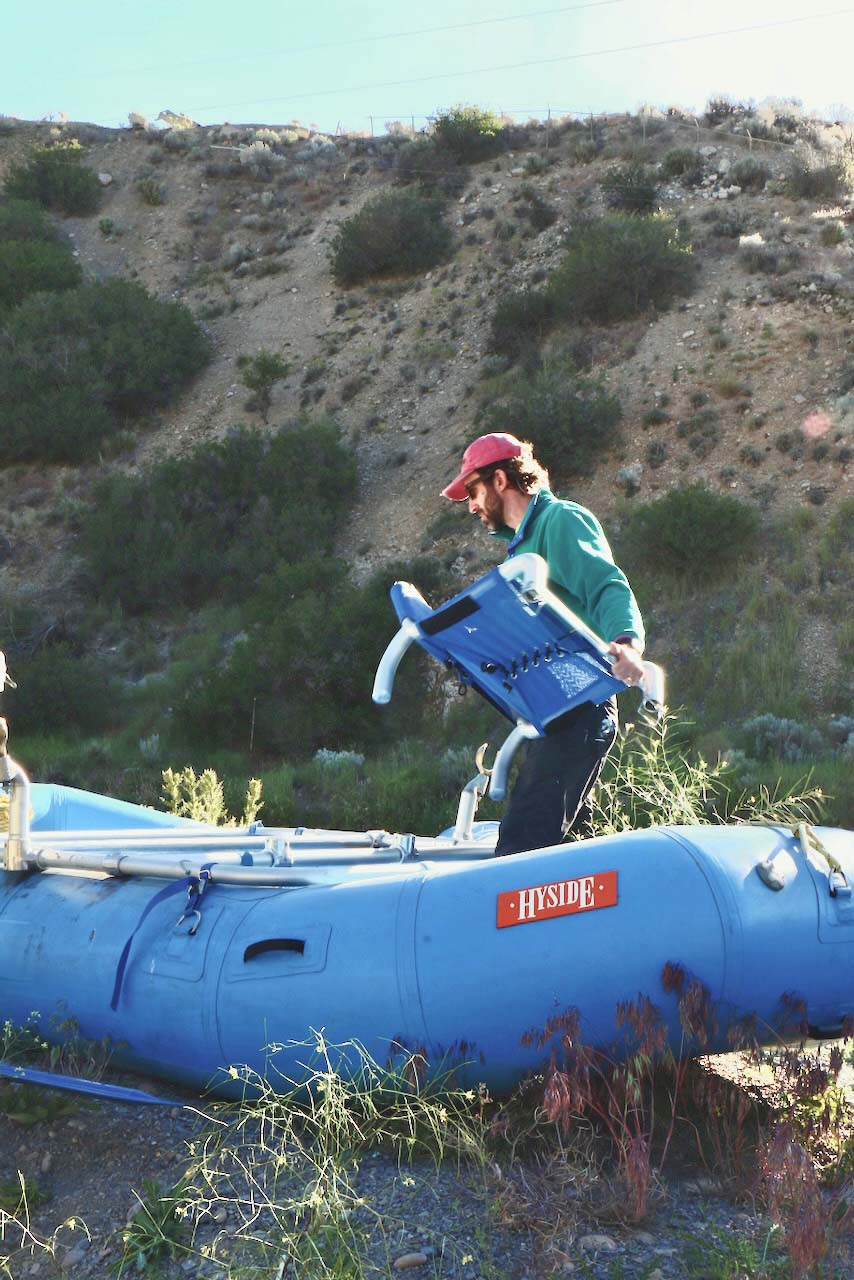
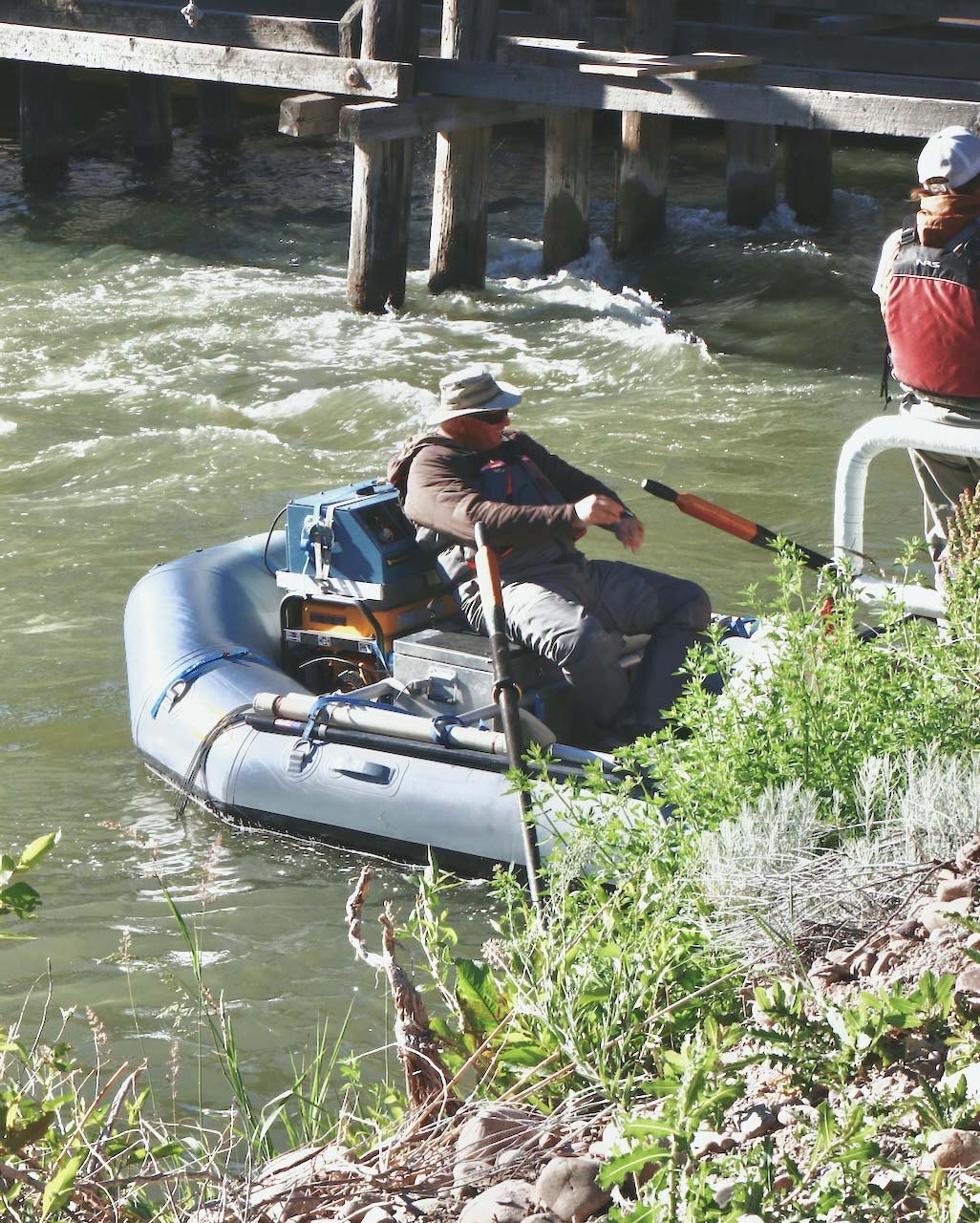
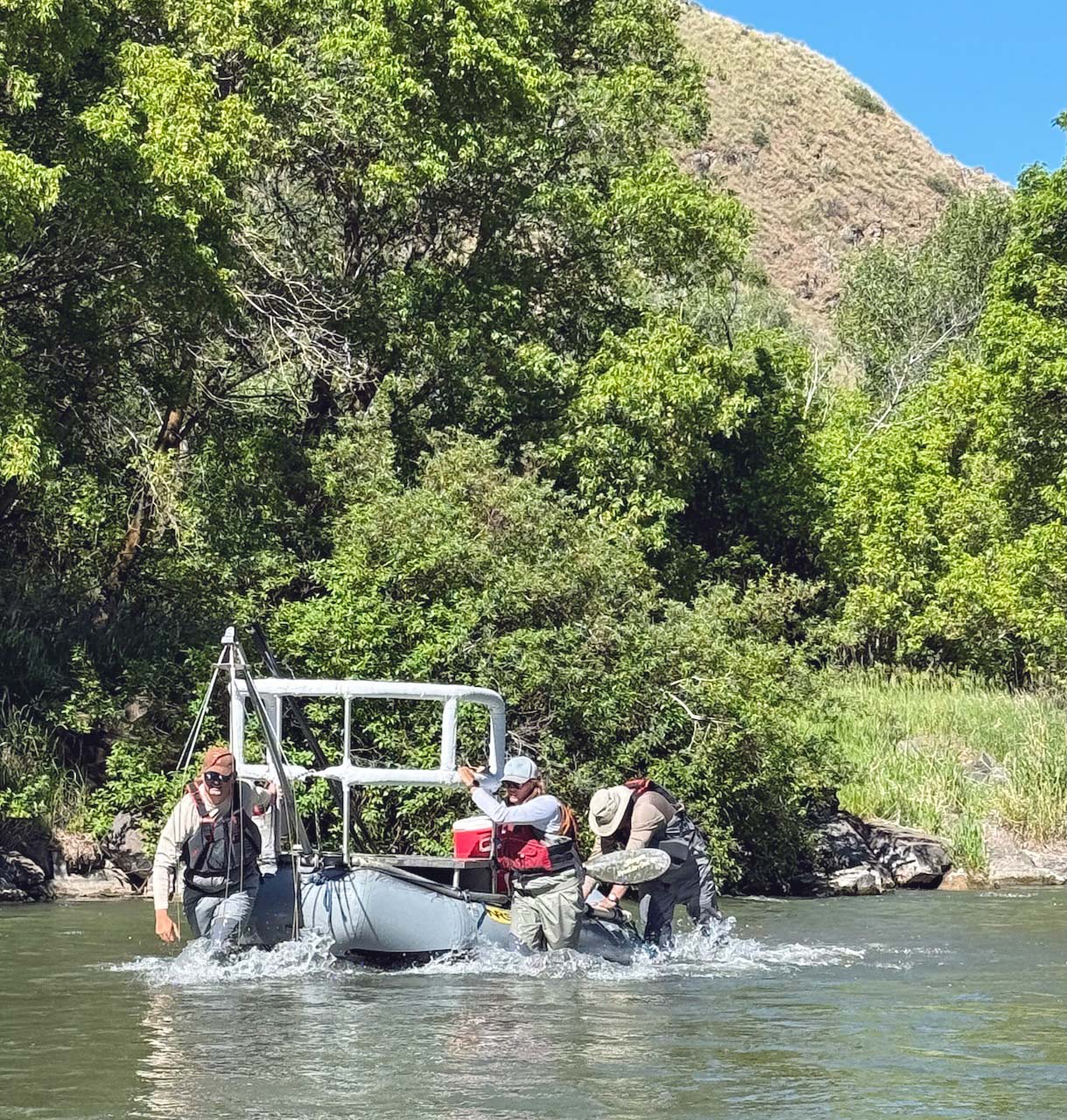
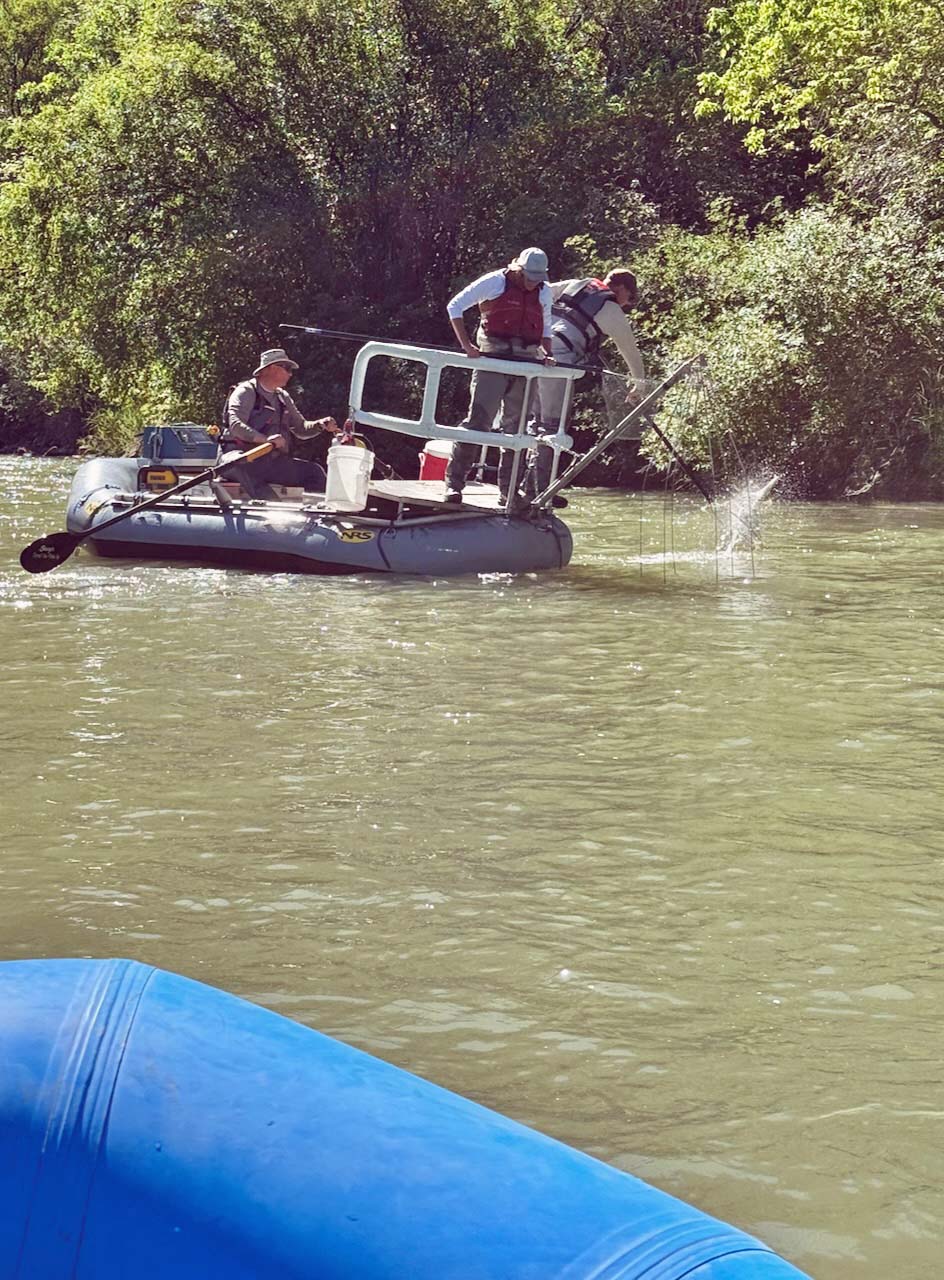
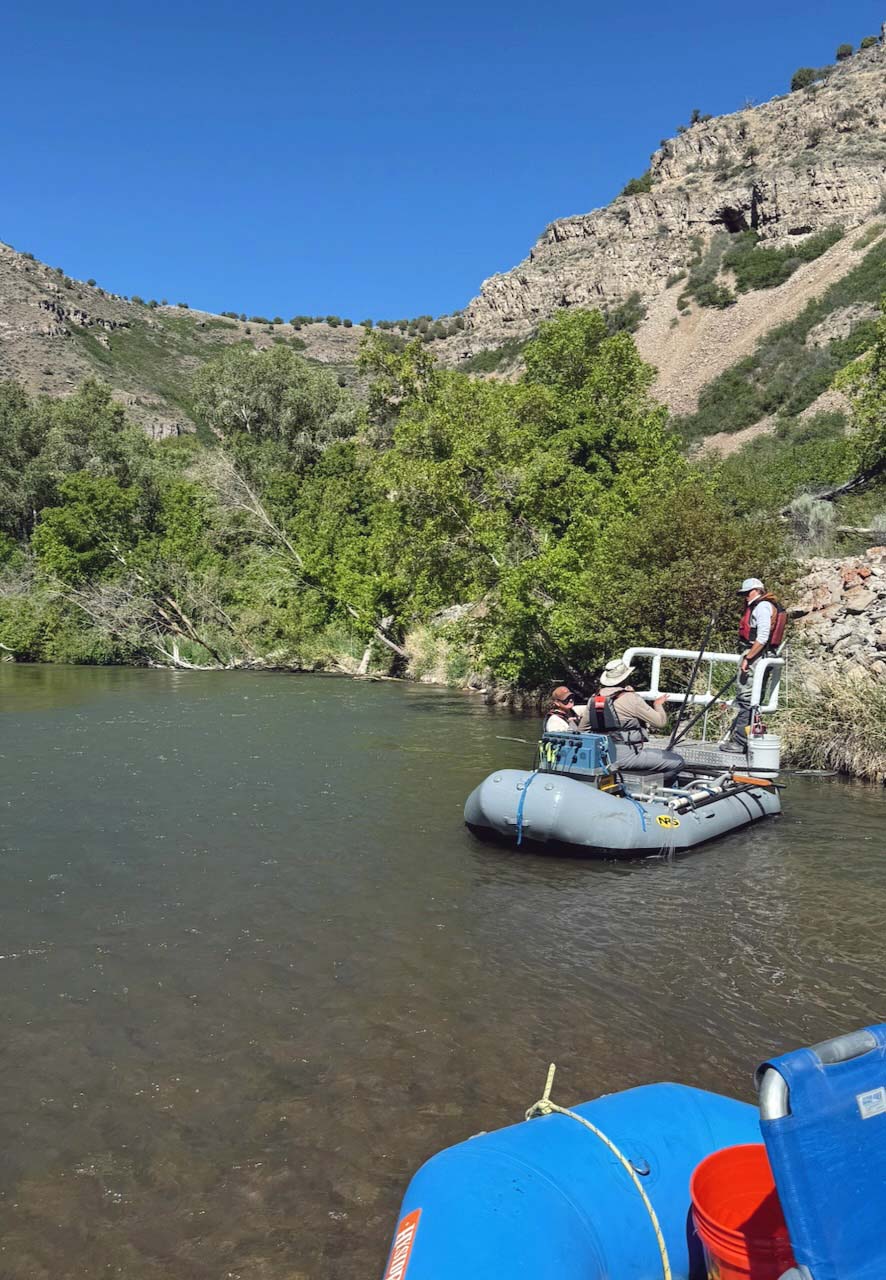
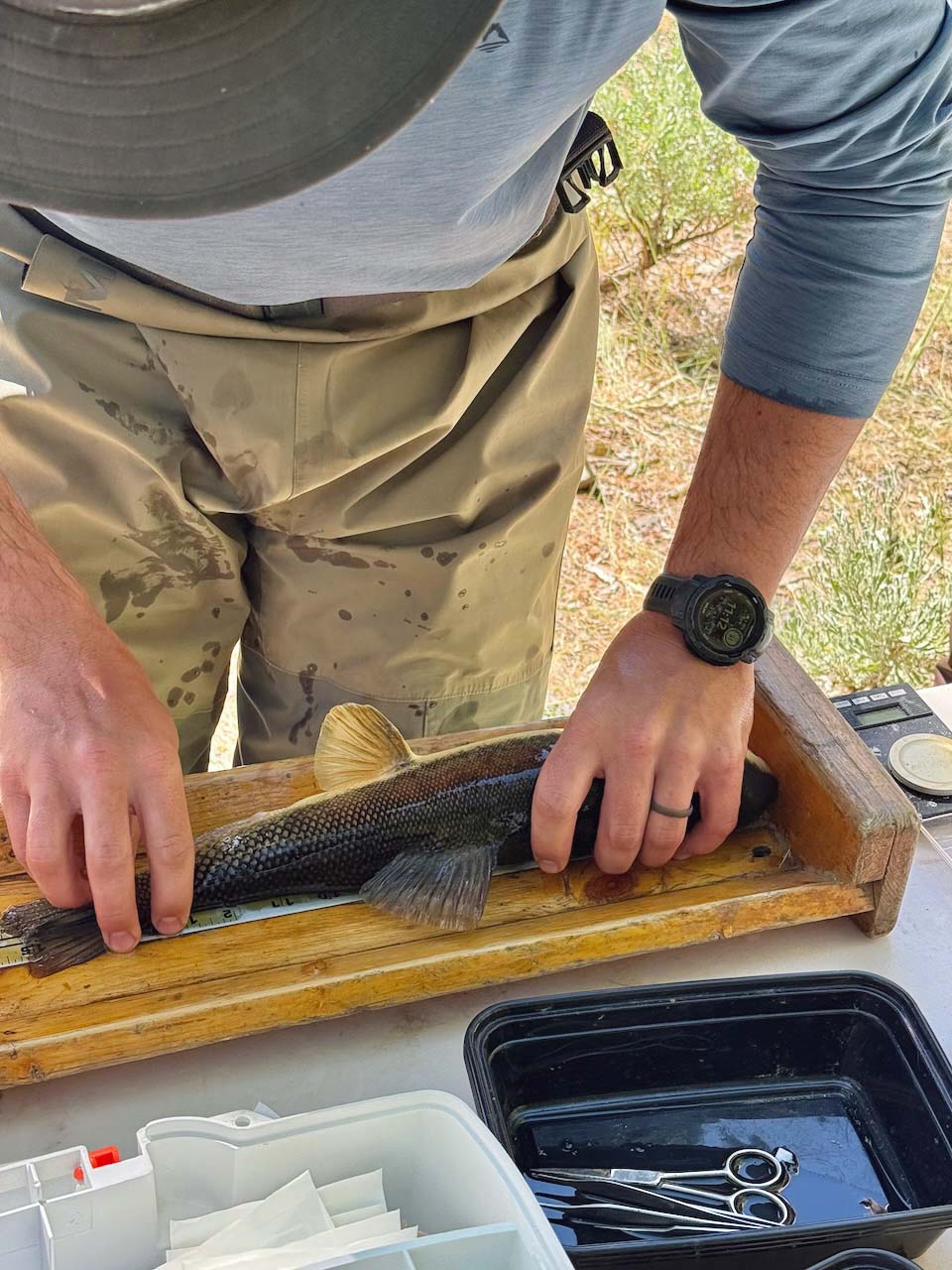
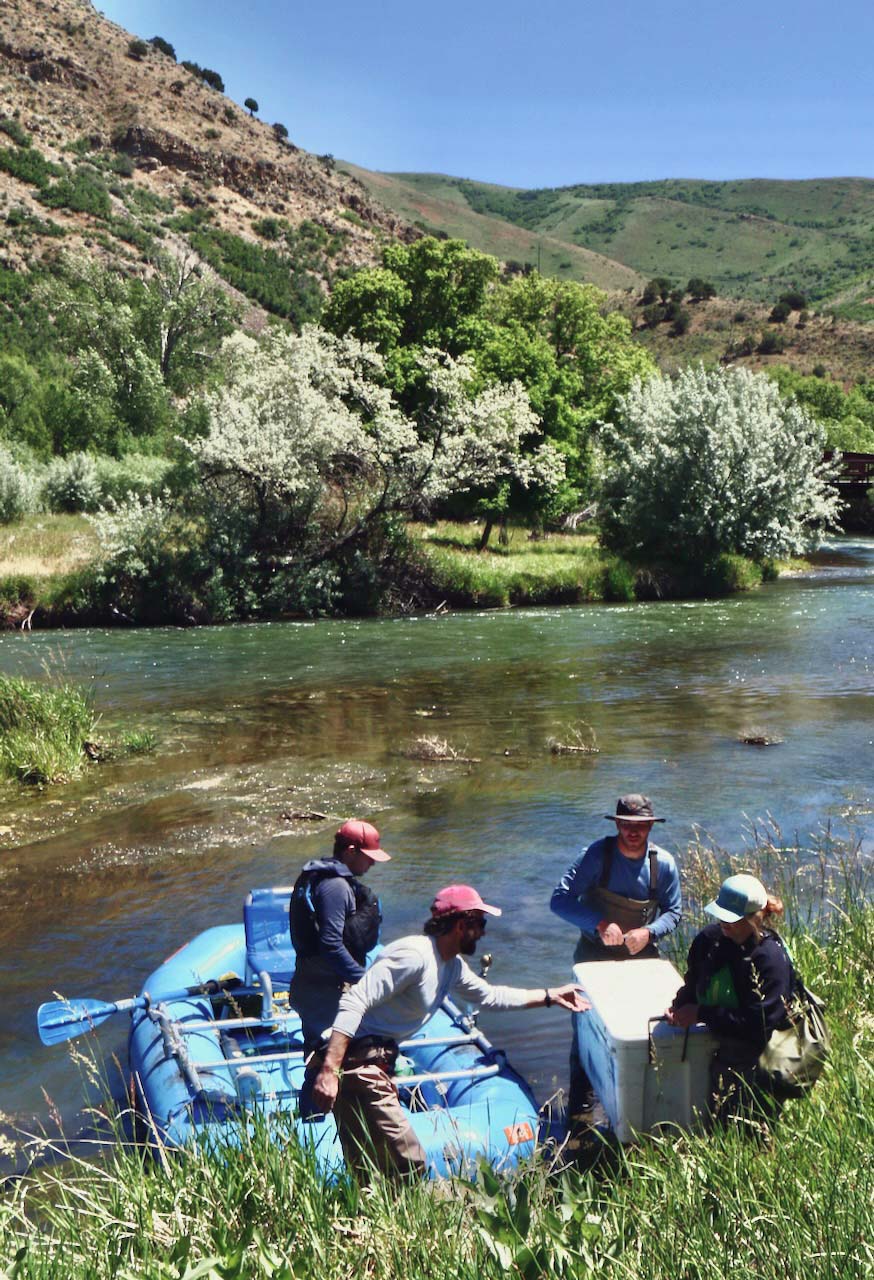
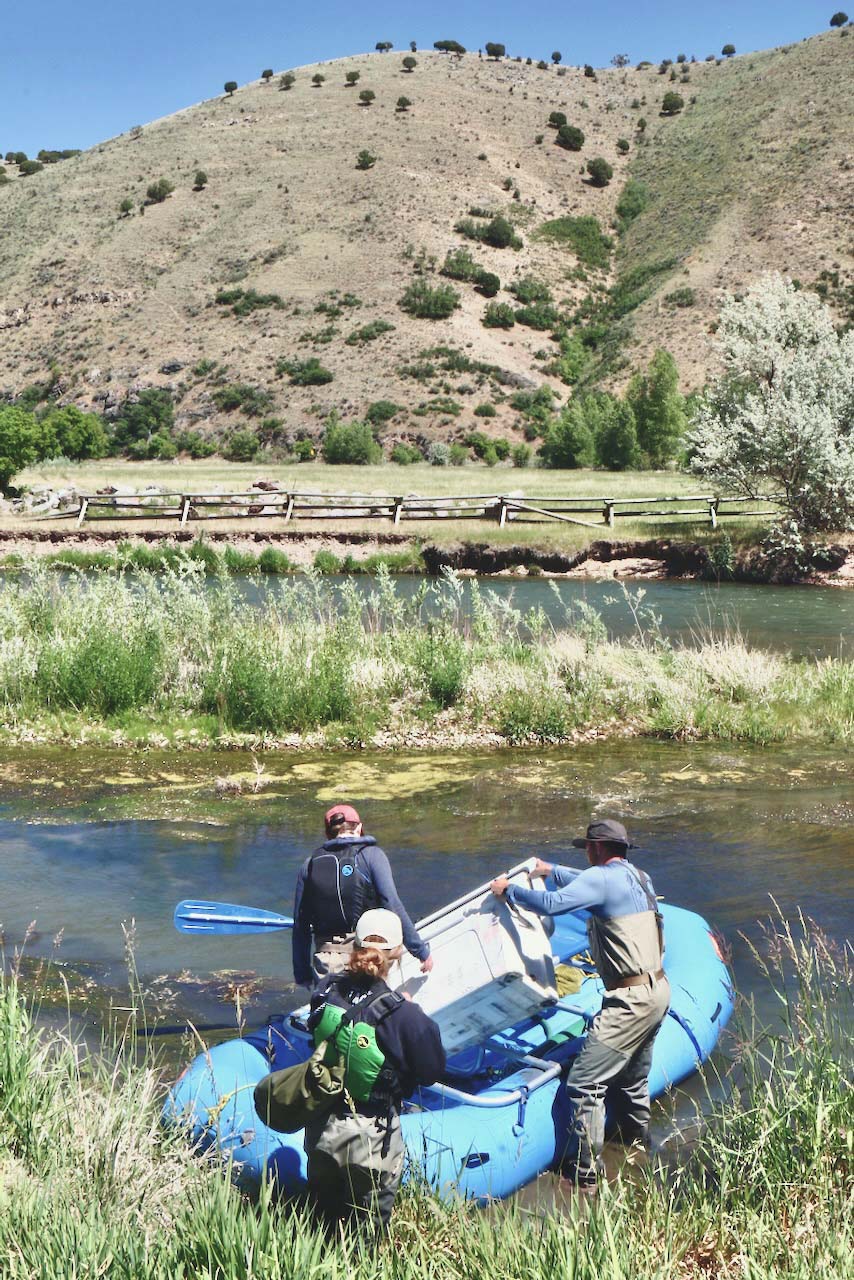
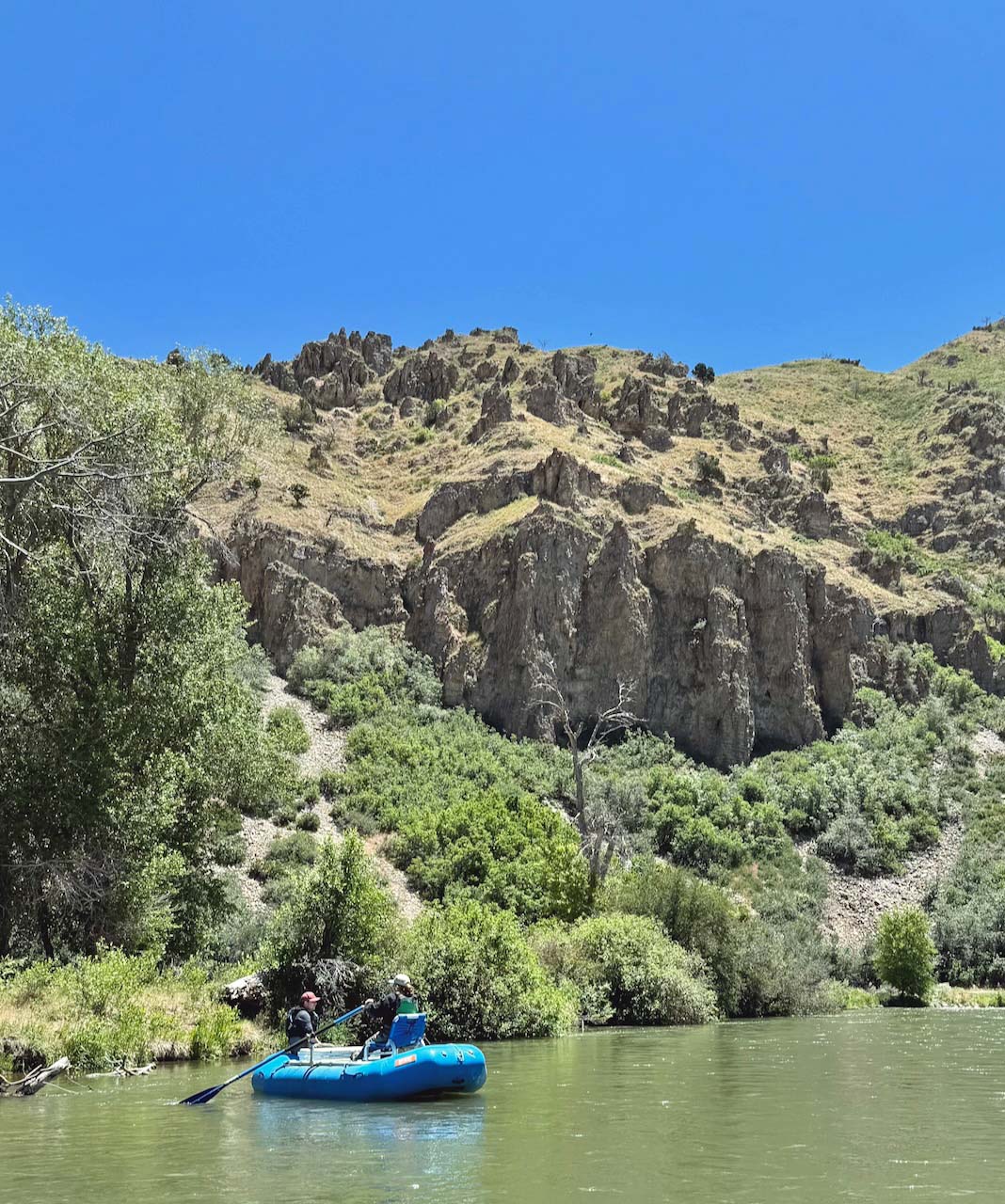
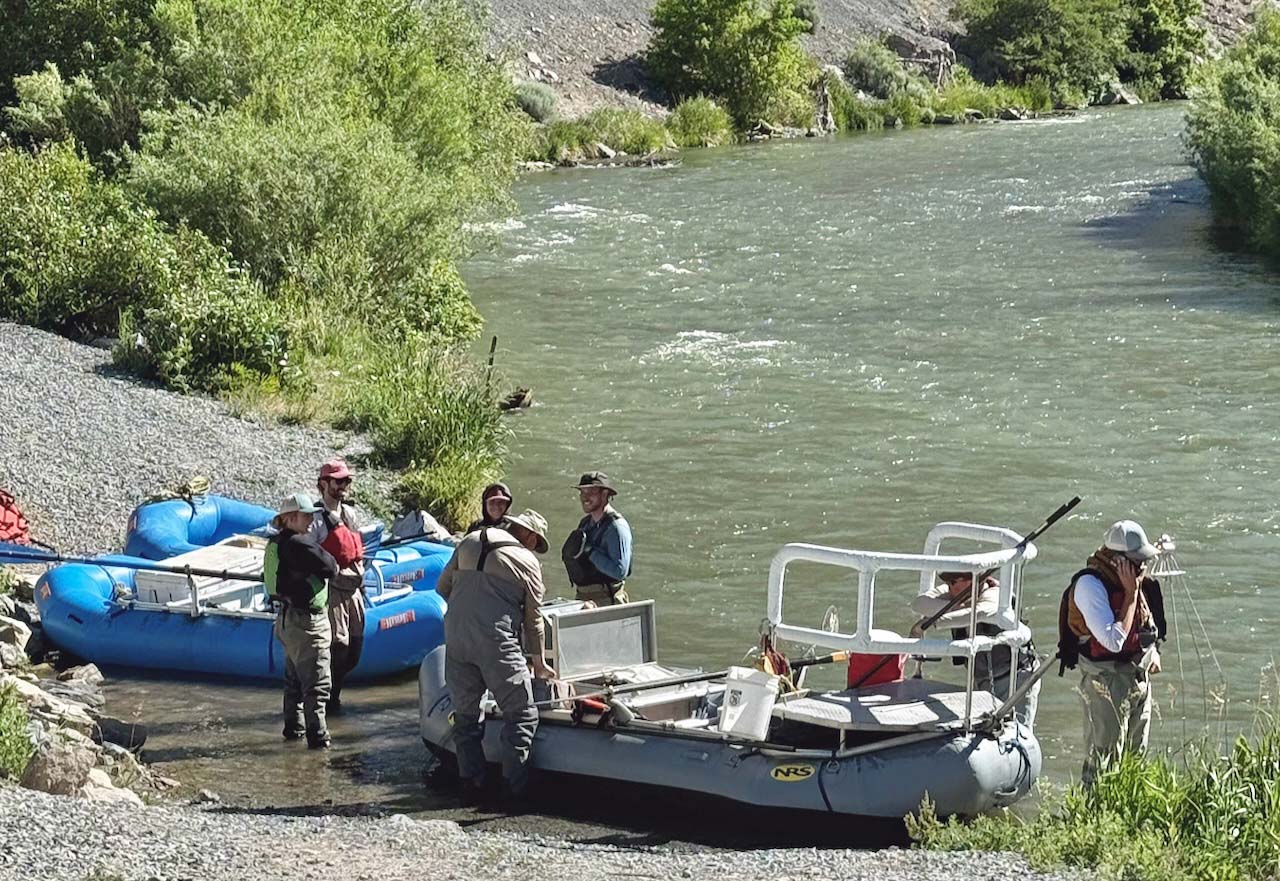
Led by Dr. Chad Teal and graduate researcher Aric McKinney of Utah State University, the research team spent the day floating a section of the Lower Weber River searching for spawning Green Suckers. HCFF volunteers Bruce Pope and Katie Cannarella joined the effort, helping capture fish and observing firsthand the extensive work being done to address a serious threat facing this unique native species.
The project focuses on a condition known as Thiamine Deficiency Complex (TDC), also referred to as Early Mortality Syndrome (EMS). This nutritional disorder occurs when female fish are unable to transfer sufficient Vitamin B1 (thiamine) to their eggs. As a result, newly hatched fry often die before surviving beyond the yolk-sac stage. Researchers have found TDC to be prevalent among Green Suckers in portions of the Weber River watershed.
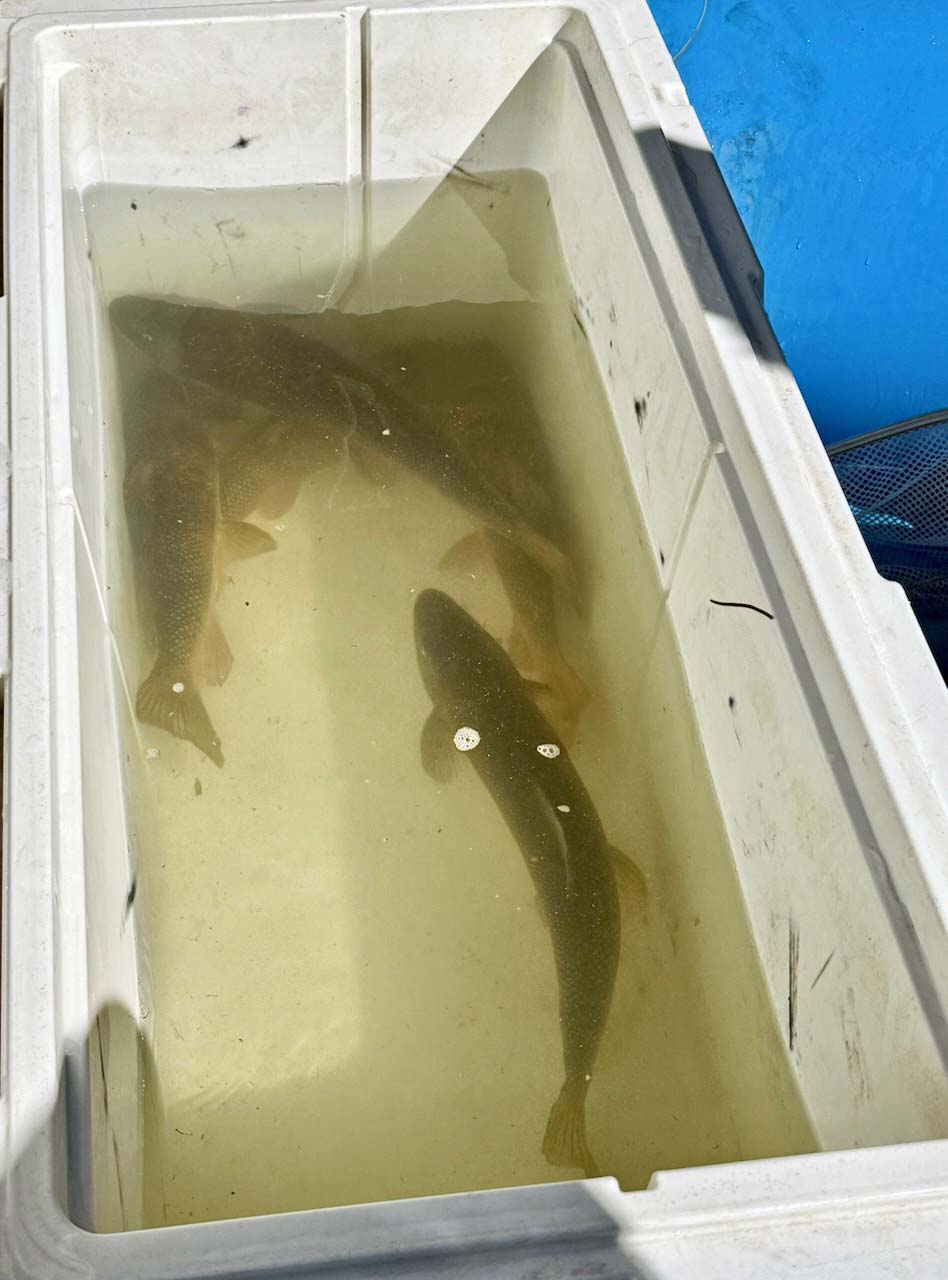
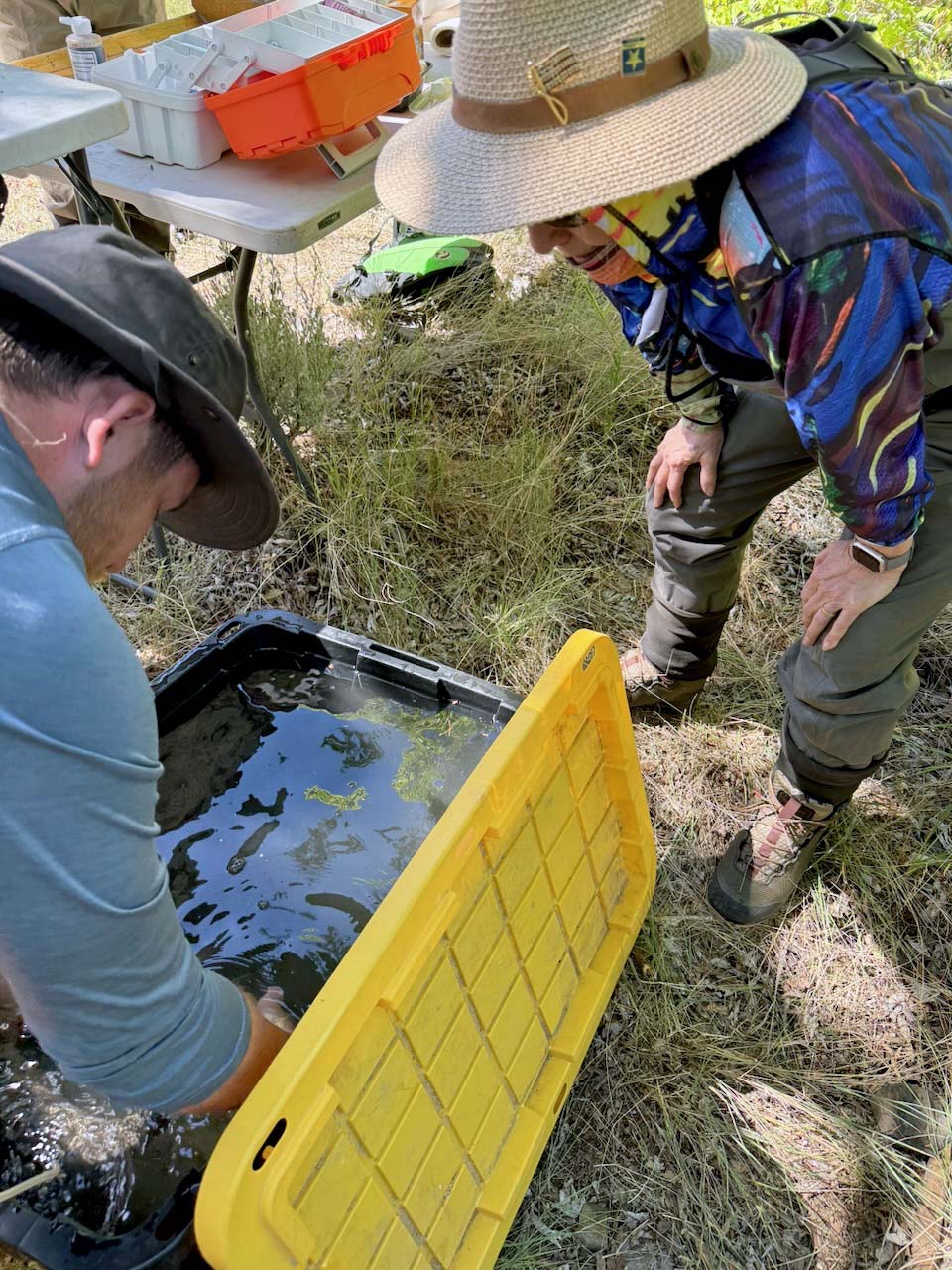
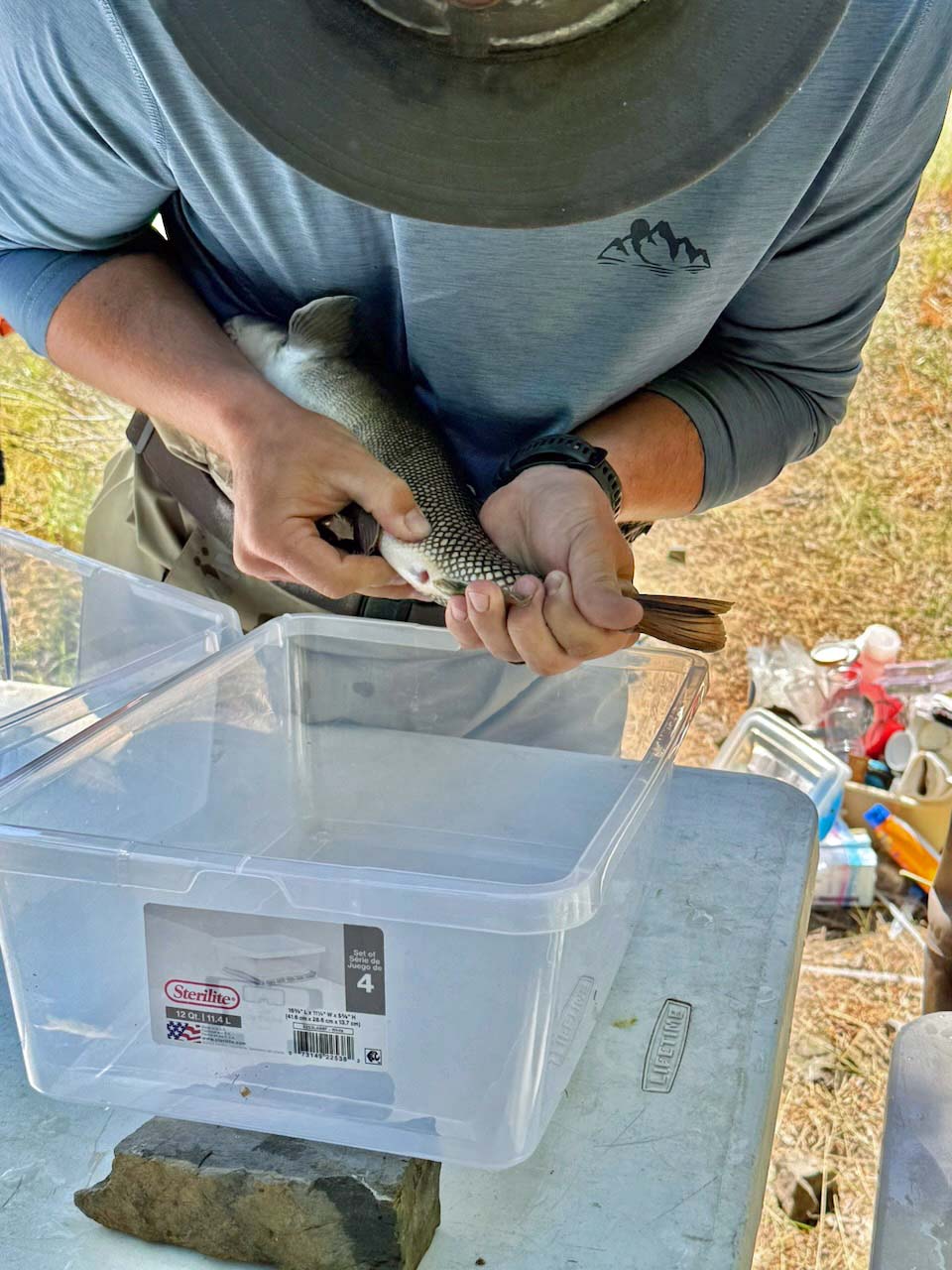
During the float, researchers successfully captured several spawning fish and collected eggs from three female Green Suckers. The eggs were fertilized using milt collected from male fish captured during the same survey. The resulting fertilized eggs will be used in ongoing research designed to better understand the causes of TDC and develop strategies to improve survival rates for future generations of Green Suckers.
The day proved highly productive. According to Utah State University researcher Aric McKinney, the team collected 2,306 eggs, with 2,046 appearing viable, bringing the season total to 3,513 eggs collected for the study.
For HCFF volunteers, the experience provided a unique behind-the-scenes look at fisheries conservation research. Katie Cannarella noted that she was impressed by the complexity of the project—from field collection and data recording to laboratory procedures, egg counting, sanitation protocols, and fish care.
"It was amazing to see all the moving parts of the project," Cannarella said. "From capturing the fish and collecting eggs and milt to processing data and preparing the eggs in the lab, it was clear how much work and dedication goes into conserving this species."
The project is especially meaningful to High Country Fly Fishers because the club recently awarded grant funding to support this research effort. By helping researchers address TDC and improve Green Sucker recruitment, the project aligns closely with HCFF's commitment to fisheries conservation and protecting the health of Utah's rivers.
HCFF extends its appreciation to Dr. Chad Teal, Aric McKinney, the Utah State University Watershed Sciences Program, and the Utah Division of Wildlife Resources for allowing our volunteers to participate in this important work. We look forward to following the progress of this research and the successful hatching of this year's egg collections.
Conservation is about investing in the future of our rivers and the species that depend on them. Through projects like this, we help ensure that native fish populations continue to thrive for generations to come. A special thank-you goes to Bruce Pope and Katie Cannarella for representing High Country Fly Fishers and supporting this important scientific research effort.
Photographs by Bruce Pope