




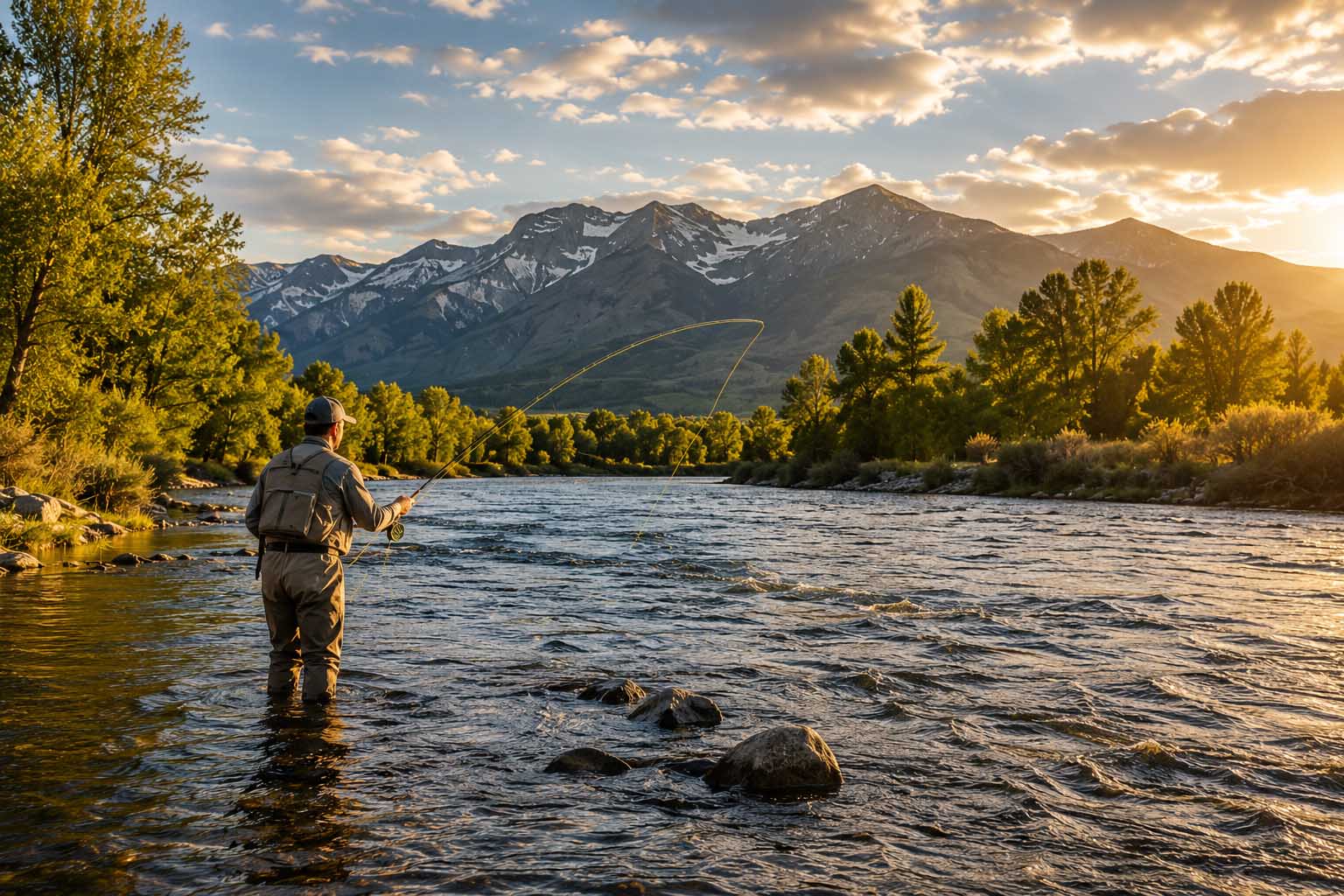
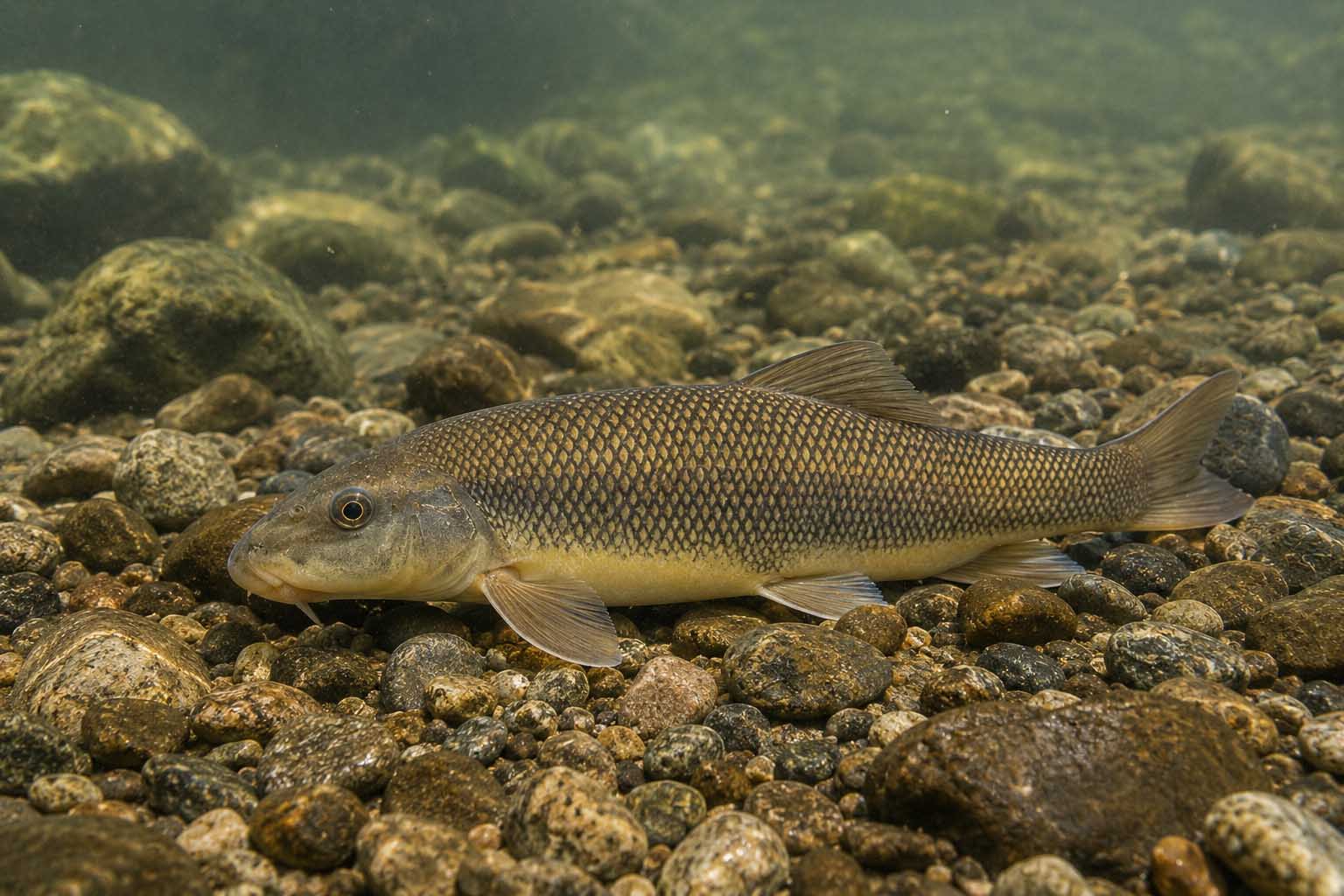
The Weber River Green Sucker is a native fish species experiencing a severe reproductive bottleneck.
Very few young fish are surviving to adulthood, and researchers now suspect that a deficiency in thiamine (vitamin B1) may be playing an important role.
Why Trout Anglers Should Care
At first glance, protecting a native sucker species may not seem directly connected to fly fishing.
But researchers believe the Green Sucker may be helping maintain important ecological functions within the Weber River.
The same river conditions that support healthy Green Sucker populations also influence:
- Aquatic insect productivity
- Water quality and nutrient balance
- Food web stability
- Habitat complexity
- Overall trout river health
Scientists studying the Weber River specifically note that Green Suckers may function as ecosystem engineers, and understanding their ecological role could help managers better maintain desirable trout fisheries.
A Warning Sign in the River Food Web
Newly hatched Green Sucker fry from the Weber River have shown symptoms consistent with Thiamine Deficiency Complex (TDC), a condition caused by insufficient vitamin B1.
Thiamine is essential for proper fish development. Without enough of it, fry may experience neurological problems, abnormal swimming behavior, developmental failure, and early mortality.
Researchers observed that affected fry improved after receiving thiamine baths, strongly suggesting that thiamine deficiency may be limiting survival in the wild population.
Understanding the Weber River Food Web
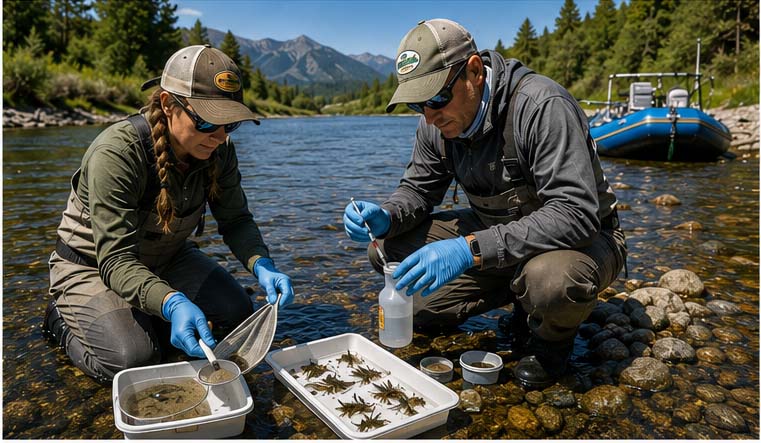
The research effort is being led by Dr. Chad Teal of the U.S. Geological Survey Utah Cooperative Fish and Wildlife Research Unit and Utah State University in partnership with the Utah Division of Wildlife Resources.
The project investigates whether nutritional deficiencies are originating lower in the food web — including algae, periphyton, bacteria, and aquatic invertebrates.
Because trout depend heavily on aquatic insects and healthy aquatic productivity, understanding these lower trophic levels benefits far more than just one native fish species.
- Green Sucker egg thiamine analysis
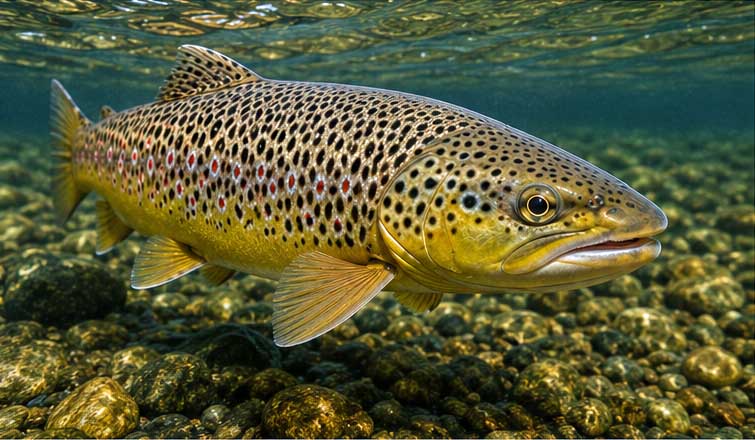
- Brown Trout muscle thiamine testing
- Macroinvertebrate sampling
- Periphyton and algae analysis
- Habitat quality assessment
- Food web characterization
Healthy Native Fish Communities Support Healthy Trout Rivers
Native fish conservation and trout fishing are not competing goals. In many western rivers, healthy native fish populations indicate stronger overall ecosystem function.
Rivers with functioning food webs, balanced nutrient cycling, productive insect communities, and healthy habitat complexity are more resilient and better able to support quality trout fisheries.
Protecting the Green Sucker may ultimately help biologists identify broader ecosystem problems before they further impact the Weber River trout fishery.
Funding Priorities
The full 2.5-year research effort totals approximately $130,968, with state and federal partners already covering the majority of the project costs.
The requested support would help expand field work, food-web analysis, and fisheries training:
| Priority | Amount |
|---|---|
| Undergraduate Fisheries Technician | $3,500 |
| Expanded Invertebrate Thiamine Testing | $2,000 |
| CERC Travel & Training for Aric McKinney | $1,000 |
| CERC Travel & Training for Undergraduate Technician | $1,000 |
| Total Requested Support | $7,500 |

Protecting a Native Fish Helps Protect a Trout River
The Weber River Green Sucker may be warning us about deeper problems within the river ecosystem.
Understanding why this species is struggling could improve conservation strategies benefiting aquatic insects, native fish, Brown Trout, and the future of fly fishing on the Weber River.
Supporting this research is an investment in the long-term health of one of Utah’s important trout rivers.
Learn More
Utah Watershed Restoration Initiative – Green Sucker Conservation Activities
Western Native Trout Initiative – Weber River Project
National Fish Habitat Partnership – Weber River Utah
Scientific Paper: Status and Structure of Two Populations of the Bluehead Sucker in the Weber River
References
- Teal, C. & McKinney, A. Protecting Green Sucker in the Weber River,
Utah State University Quinney College of Agriculture and Natural Resources. - Teal, C. Thiamine Availability in the Weber River and its Implications for Native Fish Conservation and Sportfish Management,
U.S. Geological Survey Utah Cooperative Fish and Wildlife Research Unit. - Harder et al. 2018.
Thiamine Deficiency in Fishes: Causes, Consequences, and Potential Solutions. - Webber, Thompson, and Budy. 2012.
Status and Structure of Two Populations of the Bluehead Sucker in the Weber River, Utah.