
Stillwater Fly Fishing Techniques: Schultz, Olsen, Janssen, Rickards, Rowley and Chan
This report provides a comparison of the stillwater fly fishing techniques of six experts: John Schultz of High Country Fly Fishers, Devin Olsen, Hal Janssen, Denny Rickards, Phil Rowley, and Brian Chan. These anglers have developed specialized methods and fly patterns to target trout effectively in lakes and still waters, each bringing a unique approach to the sport.
Other interesting stillwater experts that haven't been covered in detail are Bill Schiess, etc.
Marv Taylor
Marv Taylor was a highly respected fly fisherman and author, known for his deep expertise in stillwater and stream fly fishing techniques. He was an Idaho outdoor journalist and creator of the Lakes & Stillwaters series on FlyAnglersOnline, Marv Taylor spent decades teaching river-oriented anglers how to unlock lake trout. Throughout his career, he developed a reputation as a thoughtful angler with a profound understanding of fish behavior and the art of fly tying. Taylor's writing often focused on the technical and aesthetic aspects of fly fishing, making his work both educational and inspiring for anglers of all levels.
He authored numerous articles and books that shared insights into fly fishing, especially emphasizing the importance of observation, patience, and technique refinement. Marv Taylor’s contributions extended beyond fishing advice; he also played a key role in promoting ethical angling practices and conservation. His dedication to the craft and his innovative approach continue to influence fly fishermen who appreciate his balanced blend of traditional methods with practical advancements in the sport. Discover more about Marv Taylor at https://www.flyanglersonline.com and on YouTube.
Techniques
Core Philosophy – Depth Before Detail
Marv Taylor starts every stillwater session by solving depth first. A trout cruising even one foot above or below your fly will never see it, so Taylor adjusts sink-rate before he changes pattern. His wet flies carry a subtle fuse-wire wrap that helps them ride slightly below the belly of the sinking line, giving instant strike feedback without altering the fly’s slim silhouette.
Tool Kit – Line Densities & Wire Wraps
| Line Type | Approx. Sink Rate* | Typical Job |
|---|---|---|
| Intermediate | 1 – 2 ips | Shallow flats < 6 ft |
| Type I | 1.5 – 2 ips | Upper mid-column |
| Type II | 3 – 4 ips | 6 – 12 ft “bug band” |
| Type III | 4 – 5 ips | Prospecting 12 – 30 ft |
| Type VI | 6 – 7 ips | 30 ft+ ledges & cold spells |
*ips = inches per second
Change the line, not the fly.
If a Type III counted to ten still drags bottom at 18 ft, change to a slower Type II rather than adjusting weight on the leader.
Light wire wraps.
One or two turns of fine wire pin the fly just under the line, transmit bumps up the leader, and keep patterns slender—ideal for damsels, scuds, and leeches.
The Count-Down System (a.k.a. Timing the Drop)
- Cast, strip slack, and let the line land straight—clean tension is critical for feeling hits on the sink.
- Start an audible count the instant the fly touches water (“one-thousand-one…”).
- Begin the retrieve at the target number. Ten seconds on a 3 ips line means roughly 30″ (0.76 m) of descent.
- Log every strike on the drop. If fish hit at six and seven on consecutive casts, they’re riding 18–22″ deep—repeat that countdown until it stops working.
- Fine-tune. Change the count in one-second increments or swap to the next sink rate to re-establish bottom-contact without guessing.
With practice the cadence becomes muscle memory; Taylor can park a fly in a one-foot band cast after cast—far more repeatable than indicator rigs.
Depth-Matched Tactics
-
Prospecting new water (12 – 30 ft) – Type III full-sink + 9 ft mono leader; crawl a Sheep Creek Special along the bottom, starting deep and working shallower.
-
Mid-column insect zone (6 – 12 ft) – Type I–II sink-tip; slow hand-twist chironomids precisely within the hatch window.
-
Shallow flats (< 6 ft) – Intermediate line; make ultra-quiet short casts, staying low to avoid surface slap.
Environmental Triggers
-
Water temperature – Target 55 – 70 °F; locate cold-water springs in midsummer.
-
Wind lanes & weed edges – Glassy surface slicks and colour breaks funnel insects; drift or troll parallel to them.
-
Mid-day solar hatch (≈ 11 a.m.–4 p.m.) – Sun-warmed surface layers boost oxygen and plankton; trout slide into the 4-to-12-ft band. Use intermediate or Type I lines and subtle, neutrally weighted nymphs.
Watch a thermometer: once the top metre nudges ~55 °F, expect the first rise forms.
-
Lunar & barometric “traffic lights” –
-
Stable high + new-moon darkness → day trips with unweighted damsels/Callibaetis on intermediate lines.
-
Falling barometer pre-front → dawn/dusk sessions with chironomid pupae or leeches under small indicators.
-
Rapid pressure plunge → wait it out, then fish 12–24 h after the low when pressure rises moderately.
-
The “95 × 95 Rule” – Spending Time Where Trout Live
Taylor aims to spend 95 % of the day on the 5–10 % of water holding 95 % of the trout by layering four types of evidence:
- Structure – Map creek channels, points, shoals, weed edges, and springs with a sonar and thermometer.
- Comfort – Log every temp/oxygen break; trout favor 55 – 65 °F zones.
- Food Sign – Damsel migrations, Callibaetis shucks, midges in the film; confirm with an aquarium net.
- Fish Sightings & Strike Log – Rolls, bait sprays, or two hits in ten minutes earn a spot a place on the short list.
When three or more cues overlap, he anchors or drifts the area in 30-minute rotations. If strikes drop below his recorded average, he moves. By late afternoon he has usually narrowed the lake to two prime zones—proof that careful logging and disciplined movement, not guesswork, keeps him over the densest concentration of fish.
Summary Mantra
Depth beats pattern.
Presentation beats colour.
Records beat luck.
Control depth with the right line and an exact countdown, keep the fly tight to the line with a whisper of wire, and back every hunch with logged data. Follow those steps and your lake days will look a lot like Marv Taylor’s: systematic, repeatable, and far more productive than hoping for a hatch.
Preferred Gear
Taylor pioneered Idaho float-tubing and still favors round or U-tube craft for stealth and casting angles, backing them up with a quiver of full-sinking lines (Types I–VI) and a simple rod-length leader of straight mono.
- Lines – Intermediate for <6 ft, Type III for structure ridges, Type VI for 30 ft +
- Leaders – 8-9 ft, 0X–3X; add split shot only when using a floating line
- Indicators – small cork/balsa for chironomids in <12 ft; otherwise rely on sink-line countdown
- Flies – lightly weighted wets; un-weighted damsels on fast-sinking lines to keep them hovering
Marv's Deadly Half Dozen. According to Marv's fishing log, these 6 flies account for 90% of the fish he has caught over the years.
- Taylor Shrimp - shrimp or snail imitation
- Taylor Dragon Fly Nymph
- Black Sheep Creek Special, Sheep Creek Special - caddis pupa imitation
- Marv's Fly, Marv's fly - A damsel fly nymph imitation
- Little Green Thing - A damsel fly nymph
- Stayner Ducktail, Stayner Ducktail - a perch imitation
Dragon-fly nymph
Fly he uses: Woolly Worm variations (or larger Woolly Buggers).
What Marv actually says: He “caught more trout trolling Woolly Worms” than with hardware and used them specifically as dragon-fly, damsel-fly and forage-fish imitations.
flyanglersonline.com
Take-away retrieve: Slow motor-trolling (or the float-tube equivalent: steady kicking) that keeps the fly crawling just above bottom and along weed-bed walls. Strip-pause retrieves that mimic the nymph’s spurts will achieve the same look if you’re casting rather than trolling.
Damsel-fly nymph
Fly he uses: “Marv’s Fly” (little olive leech / damsel), olive Woolly Worms.
Depth & line: Intermediate or Type I lines over 4–12 ft flats or weed tops (from his general damsel advice).
Retrieve clue: Marv notes this pattern succeeds when fished as a damsel on Henry’s Lake, but doesn’t give a verbatim retrieve. He does, however, describe damsel fishing elsewhere as a slow hand-twist that keeps the fly “exactly in the insects’ depth window”—the same wording he uses for chironomid pupa work.
flyanglersonline.com
Practical translation: Count the sink so the fly hovers a foot above the weeds, then use a slow hand-twist or 3-inch figure-8 so the imitation glides rather than jerks.
Caddis pupa (emerger)
Fly he uses: Short-hackled Woolly Worm with peacock “shellback” to suggest a caddis case.
flyanglersonline.com
Clue, not a recipe: He calls this tie “an excellent representation of a cased caddis,” but again gives no dedicated retrieve paragraph.
Common-sense match to the rest of his system:
Line: Type I or slow sink-tip so it can “settle” mid-column.
Retrieve: 6- to 12-inch lift-and-drop (the same cadence anglers use for Callibaetis emergers) or very slow figure-8 so the pupa rises, stalls and falls—Marv’s go-to motion whenever he wants a natural, neutrally buoyant drift.
Fresh-water shrimp / scud
Fly he uses: Taylor’s Shrimp.
Marv’s advice in one sentence: “Fish it deep!!!! that’s where the scud hang out.”
rippinlip-idafish.blogspot.com
Retrieve: Full-sink Type III–VI line, long countdown, then a slow crawl or short pinch strips that let the fly just tick the bottom or the tops of submerged cabbage.
Perch fry imitation
Fly he uses: Stayner Ducktail (originally designed by Ruel Stayner; Marv popularised it in his newspaper column).
Technique note: In Marv’s books this pattern is recommended for “pond dredging”—cast, let sink, slowly twitch or strip it back.
puckerbrushflies.com
Where & when: Along drop-offs or old creek channels when newly hatched perch are thick (late spring through summer in lakes like Magic Reservoir).
Generic bait-fish / minnow pattern
Fly he uses: Large Woolly Worm/Woolly Bugger or silver-bodied Stayner Ducktail.
Line & motion: He often trolls or kick-drifts these flies on Type III full-sinks when “prospecting” the 12–30 ft band. The retrieve is a series of 12- to 18-inch strips with pauses long enough to re-establish depth (classic “strip-pause streamer” style).
flyanglersonline.com
How to decide on the actual strip, twist or crawl
Marv’s universal order of operations is:
Count-down to the exact depth first (see his 5-step Count-Down System).
Match the insect’s speed second.
Nymphs that hover (damsel, caddis) → hand-twist or figure-8.
Bottom scooters (scuds, dragonfly nymphs) → slow crawl or short pulls that keep contact with the substrate.
Fleeing prey (perch fry, baitfish) → longer strip-pause streamer retrieve.
Swap patterns last—only after depth and retrieve cadence fail.
Quick Recap
Depth beats pattern · Presentation beats colour · Record-keeping beats guesswork.
When Marv taught a seminar he provide his students with TEN TIPS THAT CAN IMPROVE STILLWATER TROUT FISHING BY 50 PERCENT. Sounds almost too good to be true? He told his students that each tip should improve their success rate in stillwater by at least 5-percent.
Tip #1- Avoid the use of any head cement or other chemicals when tying your wet flies.
Marv is a firm believer that anglers leave "scent tracks" on almost everything they touch when fishing. Salmonids have superb olfactory senses. How else can salmon and steelhead find their way back to their place of birth, if they can't follow the scent of that tiny central Idaho stream as it mingles with the Salmon River, flows then into the Snake, finally to merge with the mighty Columbia River. Being able to pick up the scent of its home waters at the mouth of the Columbia and follow it home to that little creek in Idaho's Sawtooth range, boggles the mind. If they can do that, they sure as heck can detect the odor of head cement and other chemicals on our wet flies. I think this tip is actually worth about 20-percent.
Tip #2 - Wash your hands frequently during a day of fishing.
Fits like a glove with tip #1. Carry along a small bottle of unscented liquid soap and use it frequently. The L-serine found on some angler's hands is extremely offensive to fish. Not to mention nicotine, petroleum, sun screen lotions, insect repellants and many other negative smell tracks. Get rid of as much of these smell tracks as you can by washing your hands often during a day of fishing.
Tip #3 - Use a small amount of lead on all of your wet flies.
Use just enough lead to get them to sink slightly faster than your sinking lines. I generally use a strip of fuse wire, of the appropriate size, the length of the hook shank. The legendary inventor of the Sheep Creek Special, George Biggs, weighted almost all of his flies in this fashion. He once told me that his weighted Sheep Creeks outperformed the unweighted versions, by an extremely wide margin.
Tip #4 - Use an extra-fast retrieve at least 1/3 of the time.
If I make six casts without a strike, as I try to imitate that leech, forage fish, or any other aquatic trout foods, I will rip the next two casts about as fast as I can.
Tip #5 - Fish at least one line size deeper than you think you will need.
The major problem fly fishermen have when fishing deep water is not getting their flies deep enough. In my seminars on stillwater tactics, I rate this tip high on the list.
Tip #6 - Keep your hooks sharp...sharper...sharper yet.
It is amazing to me how many stillwater fly anglers I run into that don't even bother to carry a hook hone in their vests. I sharpen my hooks before I tie my flies, sharpen them after a couple of fish, then sharpen them before I put them back in the fly box. I've been accused of going too far with a hook hone. My answer has always been: "Dull hooks are one fish conservation tool I refuse to employ."
Tip #7 - Use short leaders when fishing deep.
I generally use leaders from 4- to 6-feet long. The only time I use longer leaders is when I'm fishing small dries or emergers, in spring creek-like water. I had a friend who used to tie a dropper fly off his nail knot and catch three times as many fish on that fly as he did his point-fly. In essence he was fishing an 8-inch leader. Think about it. I will explain why he was successful with this set-up in later columns.
Tip #8 - Develop a DEADLY DOZEN wet fly assortment.
I use and market my own deadly dozen; Everyone should develop their own (it's OK with me if your assortment includes some of my flies). There is rarely a need to experiment with vast numbers of potentially hot fly patterns in your day to day fishing. Learn to fish your deadly dozen and pretty much stay with them. "Presentation" is almost always more important than "pattern."
Tip #9 - Learn to tie better knots.
In my seminars, I find a vast majority of fly fishers still using the old, antiquated clinch knot, to tie their flies on. I teach my students to learn to tie the through-the-eye-twice clinch knot and the Duncan Loop (also known as the uni-knot.). If I can keep the "twice through" clinch knot from cocking, I prefer it. It will usually help me land the 10-pounder that will break off with almost every other knot.
Tip #10 - Keep a fishing journal.
Learn to keep records and learn to use them. I honestly believe this tip is worth 10- to 15-percent by itself.
I firmly believe fly anglers achieve 5-percent improvement for each of these ten tips. They work. I know they do. I just wish I had some way to prove it. Marv Taylor.
Jay Fair

Jay Fair, California Outdoors Hall of Fame inductee, was a renowned fly fisherman and innovator, particularly celebrated for his contributions to stillwater fly fishing. He developed effective fly patterns like the "Wiggle Tail" and pioneered trolling techniques that made fly fishing more accessible. Fair was also a dedicated advocate for California's Eagle Lake and its unique strain of rainbow trout.
Discover more about Jair Fair at https://www.trollingflies.com/jay-fair-tackle and on Youtube.
John Schultz (High Country Fly Fishers)
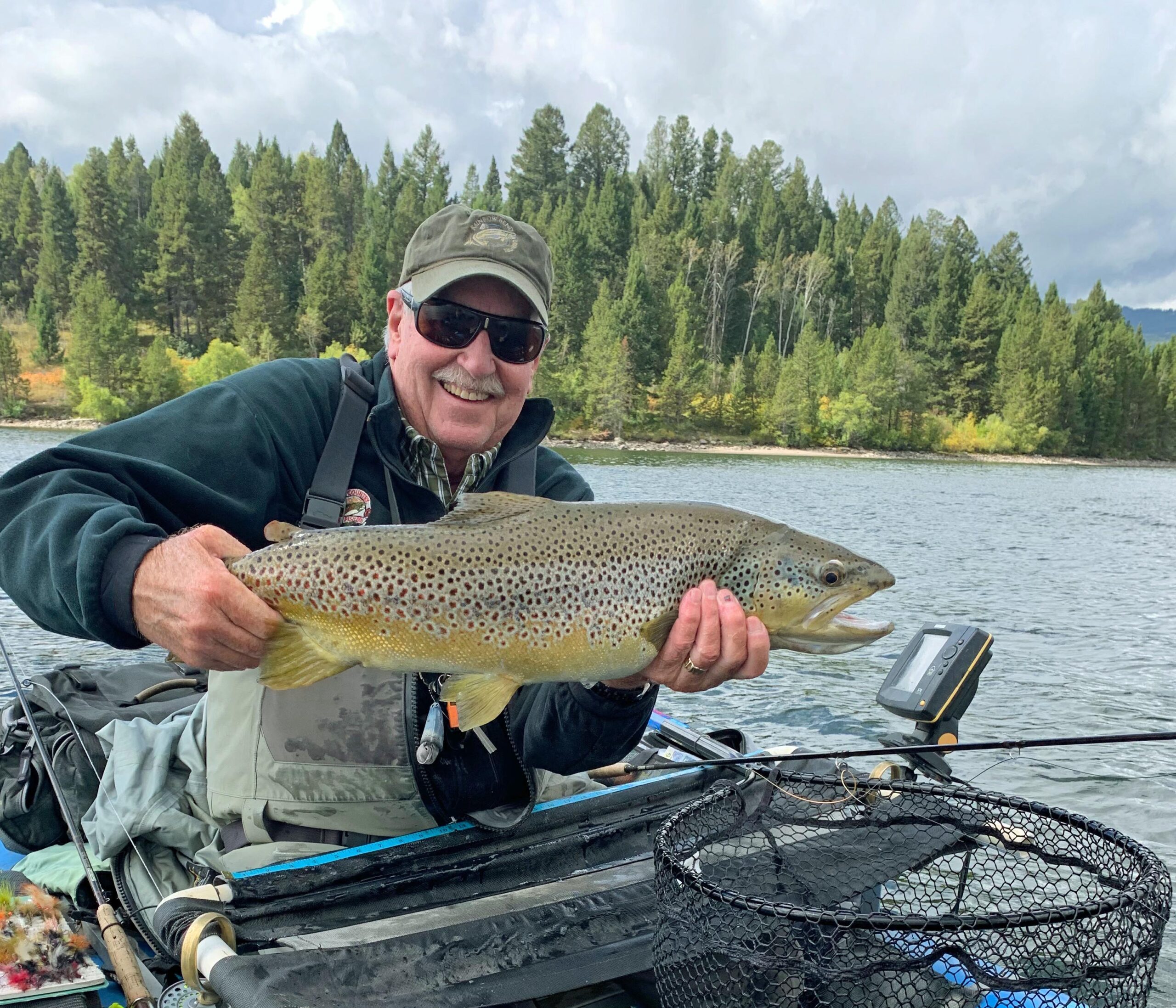
(High Country Fly Fishers – Utah Fly Fishing Hall of Fame, 2018)
John Schultz is widely regarded as one of the premier stillwater fly fishers in the Intermountain West. Based in Park City, Utah, Schultz has devoted a lifetime to refining the art and science of lake fishing. Inducted into the Utah Fly Fishing Hall of Fame in 2018, he is respected not only for his angling expertise, but also for his leadership in fisheries conservation, mentorship, and community service.
Biography
John Schultz has lived to fish his entire life.
Growing up at the mouth of Millcreek Canyon in the Salt Lake Valley, Schultz fished Millcreek three to four days a week as a boy. When possible, he and his fishing partner convinced a parent to drive them to other waters. From an early age, he became fascinated with fly fishing—even though his father did not fly fish. His father owned a fly rod, and Schultz began practicing casting in the backyard at around age ten.
He tied his first fly using his mother’s sewing kit, Vise-Grip pliers as a vise, and feathers taken from a down pillow. That homemade fly caught his first fish. In his early experimentation, he famously trimmed hair from a neighbor’s Malamute dog to tie a streamer—an act that led to “serious trouble,” but reflected his early passion for creating effective patterns.
Over the years, Schultz honed his skills and developed into one of the region’s most accomplished stillwater anglers. His experience spans waters such as Strawberry Reservoir, Hebgen Lake, Henry’s Lake, and numerous high-elevation lakes throughout Utah and the Rocky Mountains.
Conservation & Leadership
Schultz’s contributions extend far beyond personal angling success.
He joined High Country Fly Fishers (HCFF), Park City’s Trout Unlimited chapter, shortly after its founding and served as club president from December 1996 to December 1998. He has remained an active board member since that time.
Schultz has served as:
-
Chairman of Friends of the Strawberry Valley (FOSV)
-
Co-chair of the Strawberry Reservoir Management Plan rewrite
-
Participant in the Jordanelle Reservoir Management Plan rewrite
-
Vice Chairman of the Utah Anglers Coalition
-
Outreach Coordinator for the Blue Ribbon Fisheries Advisory Council
Through these roles, he has volunteered countless hours to conservation initiatives, fisheries management planning, public outreach, and education. He has generously shared his knowledge through fly-tying demonstrations, instructional programs, and on-the-water mentoring, introducing many anglers to the art of stillwater fly fishing.
Upon his induction into the Utah Fly Fishing Hall of Fame, Schultz responded with characteristic humility:
“I am extremely honored to be nominated as a candidate to the Utah Fly Fishers Hall of Fame, and knowing many of the other candidates and winners, I feel very unworthy. There are lots of great people on the list that have done incredible things for fishing in Utah.”
Core Philosophy
Schultz prioritizes:
-
Depth control
-
Speed variation
-
Directional change
-
Active fly movement
He believes fish often respond more strongly to changes in speed and direction than to subtle pattern differences. Observation drives every decision he makes on the water.
Technique
Schultz’s stillwater system is built on disciplined depth control, structured water coverage, and adaptive retrieve strategies.
Approach & Observation
When Schultz approaches a body of water—assuming it is not already crowded—the first thing he does is observe carefully. Before launching, he studies the shoreline and visible water for food sources such as minnows, insects, and crustaceans. He also watches for cruising fish tight to shore.
At the same time, he scans the broader water column for signs of activity: rising trout, moving fish, minnows breaking the surface, hatching insects, feeding birds, or any visible indication that fish are actively feeding. He believes observation before entry often provides critical clues about where and how to begin.
Shoreline Entry & First Cast Strategy
Schultz follows a consistent rule: he begins each new day with the same fly he ended with the previous day. When finishing a fishing session, he breaks his rods down while leaving the fly secured in the tip top and stores them in a rod case in that condition. This allows him to begin quickly and prevents rod damage.
After launching, he kicks out from shore and immediately makes a long cast with an intermediate line parallel to the shoreline into 3–5 feet of water. He allows the fly to sink 5–10 seconds and begins kicking away at a slight angle from shore.
If he is the first angler on that stretch, he frequently receives an immediate strike. He jokingly refers to landing a fish on the very first cast as a “jinx,” often preferring to miss the first strike rather than test the superstition. When productive, he continues working the shallow shoreline thoroughly before moving deeper.
Progression Into Deeper Water
As he moves outward, Schultz repeats the process in 5–10 feet of water, again casting slightly toward deeper structure. He then engages his motor at a slow speed while stripping line off the reel, carefully avoiding slack while allowing the fly to sink.
He generally releases 85–90% of his line before beginning a trolling presentation. Strikes often occur as the line tightens and the fly begins to rise.
If productive, he continues this pattern. If not, he secures the intermediate rod and switches to a Type 4 sinking line, making the longest comfortable cast possible. He counts down approximately 10 seconds while stripping line to maintain depth before trolling both rods on a slight angle into deeper water.
In many lakes, he finds structural transitions—drop-offs or weed-line edges—between 10 and 15 feet. When he locates these features, he works them thoroughly, gradually letting more line out on the Type 4 to stay just above the bottom. It is typically at this point that he relies heavily on his fish finder.
Schultz uses an older dual-beam black-and-white Humminbird unit without side imaging. Despite its simplicity, he finds it performs as effectively as many modern systems.
Retrieve & Fly Action
Whatever rod he holds, Schultz actively animates the fly. His presentations include:
-
Short 4–6 inch jigging motions
-
One or two pull long, fast retrieves
-
Weaving line between his fingers to create rapid micro-twitches
Once in approximately 15 feet of water, he begins incorporating his “Crazy Ivan” turns.
Throughout the process, he continually observes his surroundings. He notes that many anglers develop tunnel vision, focusing solely on their rods rather than monitoring environmental cues and fish activity around them.
Depth Management
Schultz believes depth control is the most critical variable in stillwater success. Trout frequently feed within narrow vertical bands, and a fly presented even a foot above or below that window may go unnoticed. Rather than changing patterns prematurely, he adjusts sink rate first.
To locate the active feeding depth efficiently, Schultz often rigs and fishes two rods simultaneously, each equipped with a different sink-rate line. By alternating between rods instead of changing spools, he quickly isolates the productive depth band and refines his presentation without losing fishing time.
He relies heavily on full-sinking lines and controlled countdown methods to position flies precisely. Once depth is established, retrieve cadence and pattern selection become secondary adjustments. For Schultz, depth determines opportunity; the fly simply completes the equation.
Depth control is foundational. Schultz typically adjusts depth through line selection and precise countdown methods rather than relying heavily on weighted flies. His standard line system includes:
-
Intermediate
-
Type IV full-sink
-
Type 7 full-sink
-
Floating line with interchangeable sink tips
By understanding sink rates and carefully counting down to target depths, he positions flies precisely within feeding zones. Pattern changes are secondary to depth and retrieve adjustments.
Structure & Location
Schultz concentrates on:
-
Drop-offs
-
Rock structure
-
Weed beds
-
Transition zones
-
Temperature breaks
He carefully evaluates seasonal movement, forage patterns, and water temperature, focusing effort where structure and food intersect.
Retrieve & Triggering Strikes
Retrieve cadence is adjusted before changing flies. Schultz commonly employs:
-
Slow figure-eight retrieves
-
Measured strip-and-pause sequences
-
Subtle directional changes
The Crazy Ivan
One of Schultz’s signature trolling techniques from a kick boat is the “Crazy Ivan,” a deliberate 90-degree pivot designed to trigger following trout through sudden speed and directional change.
He keeps his fastest-sinking line in hand during a steady troll. As he initiates the pivot, that line tightens and momentarily drops vertically. When he accelerates away from the turn, the fly surges forward and upward, imitating an emerging or escaping prey item.
At the same time, a second rod—rigged with a different sink rate—remains stationary on the kick boat, secured but free-spooling with minimal drag. The pivot dramatically increases the speed of that fly as well. The contrast between the vertical drop of one line and the sudden acceleration of the other frequently triggers aggressive strikes.
It is not uncommon for both rods to receive strikes during the same maneuver. If more activity occurs on the stationary rod, Schultz increases retrieve speed on the rod in hand to match the observed trigger.
The Crazy Ivan reflects his broader philosophy: depth control, speed change, and directional shift often provoke more strikes than changing patterns.
The Line Set
Schultz emphasizes that strike technique is critical in stillwater success. Rather than using a traditional “trout set” — lifting or sweeping the rod sharply — he relies on a subtle line set.
A vertical rod sweep can move the fly several feet and pull it completely out of the feeding zone. In contrast, a controlled line set keeps the fly within the fish’s neighborhood and often results in an immediate secondary strike if the first attempt misses.
He has experienced as many as eight consecutive strikes before finally connecting, reinforcing his belief that restraint and precision outperform aggressive rod movements in stillwater environments.
For Schultz, hook-setting is not a reaction — it is a continuation of presentation control.
Systematic Coverage
Schultz emphasizes methodical coverage. If fish are not located quickly, he moves. Eliminating unproductive water is central to his approach.
Weather
Schultz monitors weather conditions, solunar calendars, and barometric pressure, but he does not rigidly plan fishing around them. He prefers to fish when opportunity allows rather than waiting for theoretical perfection.
He has experienced days when he felt he had been “mooned” during full moon periods, yet he has also enjoyed exceptional fishing under full moons. Northern cold fronts can be challenging, but if conditions are fishable, he goes.
He tries to select days with manageable wind but generally fishes whenever he can.
His preferred conditions include water temperatures around 60°F, a light surface chop, and partly cloudy skies. However, he fishes enthusiastically in 34°F water during snowstorms and in 90-degree air temperatures with water exceeding 70°F.
When temperatures rise significantly, he seeks higher elevations to reduce stress on fish populations.
Conservation & Fish Handling
Since becoming aware of the CRT (Catch and Release Tool), Schultz minimizes physical contact with fish. The only time he handles a fish—even with a net—is when photographing an exceptional specimen, untangling a leader, or addressing a deeply swallowed hook.
His standard practice is to bring the fish between his legs while seated in his kick boat, slide the CRT to the bend of the hook, lift the hook free, reverse tension on the leader toward the tail, and allow the fish to drop back into the water untouched.
Fly Patterns
Schultz favors simple, durable, efficient flies that emphasize movement and function.
Angstrom 300
Developed after experimenting with ultraviolet materials during a trip to Hebgen Reservoir, the Angstrom 300 quickly became Schultz’s most productive fly of the season. Named by his nephew—a rocket scientist who noted that ultraviolet light is measured on the angstrom scale and that trout can detect wavelengths beyond human vision—the pattern earned both its scientific nod and its reputation on the water.
Tied with UV brown olive Estaz or Polar Chenille over a short sculpin olive marabou tail, the fly is built on a size 8 Gamakatsu S10 and kept deliberately simple. Schultz favors a slightly shortened tail to prevent fouling and reduce short strikes. Though almost minimal in construction, the Angstrom 300 has produced exceptional results at Starvation and Hebgen, often outperforming surrounding anglers and accounting for sustained success throughout an entire season.
RC Fly
Originally tied by Bill Schiess, longtime Henry’s Lake stillwater authority, the RC Fly takes its name from the rock chuck fur blended into the dubbing. Schultz fishes and modifies many of Schiess’ patterns, and this one remains a consistent producer in his stillwater rotation.
Typically tied on a size 10 2x-long hook, the fly features a short marabou tail accented with root beer Crystal Flash and a rock chuck dubbing-loop body tapered thinner at the rear and fuller toward the head. A subtle flash wing of additional Crystal Flash over the top brightens the profile, though Schultz sometimes omits it when fish demand a more subdued presentation.
While not an exact damsel imitation, the RC Fly excels during damsel season and continues to produce throughout the year. Schultz also ties rust and lighter blonde variations to match shifting damsel coloration, reinforcing his belief that simple, efficient patterns often outperform more complex designs.
Manitoba Minnow
Developed out of necessity on Patterson Lake in Manitoba during a difficult fall trip, the pattern was created after a trout regurgitated dozens of tiny minnows onto Schultz’s wife’s stripping apron. Seeing the forage firsthand, Schultz tied several quick imitations over lunch using pearl braid and olive pine squirrel. Within minutes of returning to the water, three anglers were simultaneously hooked up, effectively salvaging the day.
The fly features a tapered pearl diamond braid body over a light underlayer to create a translucent minnow belly, topped with olive pine squirrel for movement and profile. A single wrap of squirrel at the head forms a subtle gill effect, and super glue reinforcement ensures durability. Tied from size 14 up to size 2, it remains effective anywhere trout are feeding on shoreline minnows. In perch-dominated waters, Schultz adds light olive barring to the body to create a convincing perch imitation.
White Polar Bunny
Originally adapted from a pattern developed by club member Jeff Wagner, Schultz refined and expanded it into multiple color combinations and sizes. The White Polar Bunny—built with white zonker rabbit and UV copper olive Polar Chenille—has proven to be one of his most productive stillwater patterns.
Constructed with straight-cut rabbit (not crosscut) and reinforced with heavy thread wraps and super glue to prevent twisting once saturated, the fly combines the undulating movement of rabbit with the subtle flash and translucency of Polar Chenille. Schultz emphasizes tying in a substantial section of chenille to prevent unraveling and wrapping the rabbit over the top before advancing both materials forward together to keep the body aligned.
The pattern has accounted for roughly 40–45% of his stillwater trout over multiple seasons, particularly in waters containing chub minnows. While effective year-round, it has been especially consistent in late season through winter. Schultz has tied numerous variations in olive, gray, ginger, yellow, and cream, but the white and copper olive combination remains the benchmark and his most reliable version.
Midnight Bunny
A black rabbit-strip streamer built around Hairline’s “Midnight Fire” dubbing blend of black, red, and blue. Inspired by the longtime Midnight Fire Woolly Bugger, Schultz adapted the concept into rabbit after struggling to achieve the same color effect with traditional materials.
Constructed with tapered black rabbit cut to shank length and reinforced with glue and heavy wraps to prevent twisting, the fly produces subtle flashes of red and blue through a dark profile. Schultz typically fishes it on intermediate, Type IV, and Type VII lines, where the rabbit’s movement and layered color create a highly effective large-trout pattern and one of his primary confidence flies.
Chinchilla Bunny (Peas & Carrots Variation)
A rabbit-strip streamer developed as an evolution of Schultz’s earlier UV Polar Chenille-based bunny flies. Seeking greater flexibility in color combinations, he began incorporating multicolored synthetic dubbing blends—most notably a green, copper, gold, and blue mix marketed as “Peas & Carrots” by Hogfish.
The fly is built around a chinchilla rabbit strip cut to shank length and reinforced with super glue and tight thread wraps to prevent twisting once waterlogged. A dubbing loop is used to secure and bind the leather while adding a subtle halo of color and movement. The pattern excels as a leech or general attractor, particularly in waters where trout respond to motion and contrast rather than strict imitation.
Fly Design Philosophy
Schultz’s fly design reflects four core principles:
-
Simplicity
-
Durability
-
Efficiency
-
Functional movement
He frequently fishes unweighted flies on sinking lines to achieve a natural, hovering presentation just above bottom. Weighted flies are reserved for deeper or colder-season conditions when fish hold tight to structure.
Presentation, depth, and retrieve control consistently take precedence over pattern complexity.
Equipment
Schultz fishes multiple rod setups matched to line density and depth strategy. His system typically includes:
-
Scientific Anglers and Rio fly lines
-
9-foot tapered leader
-
Micro swivel to reduce line twist
-
Fluorocarbon tippet
-
Motorized kick boat for precise trolling and maneuverability
Maintaining direct contact with the line is critical for detecting subtle takes.
Summary
John Schultz’s stillwater philosophy can be summarized simply:
Depth before pattern.
Movement before material.
Systematic coverage before guesswork.
Through disciplined technique, durable fly design, generous mentorship, and unwavering conservation leadership, John Schultz has established a legacy that extends well beyond personal success on the water.
References: High Country Fly Fishers Newsletter and field notes from stillwater clinics.
- Presentation: John Schultz Presentation at HCFF, March 1, 2023
- Podcast: Fly Fishing Insider Podcast Episode 126 John Schultz - The Crazy Ivan Technique
- YouTube: Stillwater Secrets: John Schultz LIVE at the Vise -- Live at Flyfishfood Jimmys
- YouTube: Angstrom 300
- YouTube: Balanced Damsel Fly
- YouTube: Black and Purple Matuka
- YouTube: Black and Beaver Tan
- YouTube: Chinchilla with Peas & Carrots
- YouTube: Energizer Bunny
- YouTube: Homie Midge
- YouTube: JWS CopperSide
- YouTube: Midnight Bunny
- YouTube: Manitoba Minnow
- YouTube: Orange Blossom Special
- YouTube: Polar Bunny
- YouTube: RC Fly
- YouTube: Straggle String Damsel
- YouTube: Twisted Loop RC Fly
Devin Olsen

Devin Olsen, who resides in Wyoming, is a competitive angler with a reputation for blending European techniques (loch style) with stillwater strategies. Olsen often fishes the lakes and reservoirs of Utah and surrounding Western states, where he targets trout in varied environments ranging from high mountain lakes to structured reservoirs. Olsen’s competitive background and innovative adaptations have earned him a following among anglers looking to refine their stillwater techniques. Devin has recently published Stillwater Fly Fishing: Competition-Inspired Strategies for Everyday Anglers. Devin is the owner and operator of the "Tactical Fly Fisher" outfitter and has published numerous YouTube Videos covering fly fishing technique and Fly Patterns
Technique
Loch style fishing is a foundational technique in stillwater angling, rooted in UK traditions and refined by competitive anglers like Devin Olsen. This method involves letting the boat drift perpendicular to the wind, allowing anglers to present flies downwind and retrieved back without crossing over fish, minimizing disturbance and enhancing stealth. This natural drift makes flies appear lifelike, supporting both reaction strikes and imitative fishing by keeping flies at a consistent depth.
Key to this style is the use of longer rods (around 10 feet) and a team of three flies spaced along the leader. Anglers often deploy the Washing Line Technique, where a buoyant fly (e.g., Booby or FAB) at the end of the leader maintains depth for nymph or buzzer patterns, targeting fish feeding at specific levels. Wind and drift facilitate broad, natural presentations across shallow to intermediate depths, ideal for reaching fish near the surface.
Olsen employs versatile leader setups: flat, simple leaders with widely spaced droppers (about 5 feet apart) for reaction strikes and closer droppers (3 feet apart) for imitative fishing. He favors fluorocarbon for its strength and abrasion resistance.
Olsen emphasizes that locating fish in Stillwater is one of the most critical skills for success. His approach focuses on understanding fish behavior, their preferred habitats, and how environmental conditions affect fish locations. Here are some key points Olsen shares about finding fish in Stillwater:
- Targeting the Littoral Zone: Olsen often starts by fishing in the Littoral Zone, the area near the shore where fish are more likely to be found due to abundant food sources. He believes this zone is especially productive in early mornings and evenings when fish are most actively feeding.
- Reading Depths and Temperature: Olsen advises anglers to pay attention to depth and water temperature, as these factors greatly influence fish locations. He suggests that fish tend to occupy specific depths where the water temperature is most comfortable for them, especially during seasonal changes.
- Using Drift to Cover Water: In his loch style fishing approach, Olsen utilizes boat drift to cover large areas effectively. By allowing the boat to drift with the wind, he can systematically search for fish across multiple depths and distances. This approach is particularly useful in finding fish when they’re spread out or harder to locate.
- Adjusting Presentation Based on Observations: Olsen stresses the importance of observing fish behavior to adjust fly patterns and retrieve techniques accordingly. If fish are active but not biting, he recommends experimenting with different fly types, retrieves, and depths until finding what triggers a response.
- Moving Frequently if Needed: If Olsen is not finding fish in a specific area, he doesn’t hesitate to move to a new location. He believes that staying mobile and flexible increases the chances of locating feeding fish, rather than waiting too long in unproductive spots.
- Using Seasonal Patterns: Olsen also discusses the importance of knowing seasonal patterns of fish movement, such as where fish tend to congregate during spawning or when they’re more likely to be at specific depths due to changes in temperature or food availability.
By combining these strategies, Olsen maximizes his chances of locating active fish and adapting quickly to the conditions at hand. His approach is both methodical and adaptive, allowing him to cover more water and find fish efficiently.
The Four Phases of Retrieve
Devin Olsen describes the retrieve in four phases, each designed to maximize the angler's chances of enticing fish to strike and detecting the strike. These phases — the drop, downswing, upswing, and hang — are essential in Olsen’s Stillwater approach, particularly in loch style fishing. Here’s a breakdown of each phase and how Olsen recommends executing them:
- The Drop
Description: The drop occurs immediately after the cast, as the flies sink to the desired depth.Execution: After casting, give one or two quick strips to straighten the leader and remove slack. This keeps the line taut and enables detection of strikes during descent.Tip: Fish often strike during the drop due to surface disturbance.
- The Downswing
Description: Begins once the retrieve starts, with flies descending as line is stripped.Execution: Use consistent, rhythmic strips to maintain a natural downward path.Tip: Watch for subtle hesitation or light takes.
- The Upswing
Description: The line angles upward toward the boat as retrieve continues.Execution: Short, sharp strips lift flies quickly.Tip: Be ready to strip-set.
- The Hang
Description: Occurs at the end of the retrieve with flies suspended below the surface.Execution: Stop stripping and hold the rod at an angle, allowing the flies to hover.Tip: Extend the hang if fish follow but don’t commit.
These four phases create a dynamic retrieve that allows the angler to cover different depths, simulate fleeing prey, and adapt the retrieve to the fish’s behavior. By understanding and practicing each phase, anglers can significantly improve their success rate in Stillwater fishing.
Fly Patterns
Olsen emphasizes that successful fishing is more about presentation than simply choosing the right fly. When other anglers see him catching fish, their first question is often, “What fly are you using?” However, Olsen believes that should be the last question to ask. Instead, factors like depth, location, line choice, and retrieve technique are what truly make the difference. He argues that even the perfect fly won’t catch fish if it’s presented poorly or in a place where fish aren’t present. For Olsen and other top anglers, these details take precedence, as refining these aspects of technique leads to consistent success.
While Olsen acknowledges that fly choice plays a role, he considers it secondary to a good presentation. He stresses the importance of “confidence flies,” or patterns an angler knows well and has faith in, allowing them to be fished effectively. In his experience, confidence in a fly is essential; belief in its effectiveness influences how it’s fished, often turning into a self-fulfilling success. Although certain flies may be better suited to specific conditions, Olsen argues that the most valuable aspect of a fly is how it enhances presentation, fitting naturally into the technique being used.
With years of competitive experience on Fly Fishing Team USA, both domestically and internationally, Olsen has developed a set of trusted patterns he knows will bring fish to the net. He stresses that belief in both presentation and fly choice is essential to succeed under pressure. Olsen advises anglers to focus on refining their technique first; only then will the pattern fulfill its potential.
Olsen’s confidence patterns include a wide variety of flies:
- Polar Humongous
- Wooly Bugger
- Blank Saver
- Tasmanian Treat
- BLOBs
- FABs
- MOP
- Crossover Nymph
- Cruncher
- Holographic Diawl Bach
- Egan’s Frenchie Chironomid
- Rowley’s Chromie Holographic Ice Cream Cone
- Simple Scud
- Squirmy Worm
- Several dry flies
These patterns are detailed in his new book.
References:
Hal Janssen
Hal Janssen
Hal Janssen, based in California, is a pioneering figure in stillwater fly fishing with a profound understanding of fish behavior and aquatic ecosystems. Primarily fishing the lakes and reservoirs of Northern California. His work has made him a revered mentor to stillwater anglers, especially in the diverse waters of California. Hal was inducted into the California Fly Fishing Hall of Fame in 2010. Hal could easily be considered a purist. He dyes his fly lines to subdue the colors, he uses long leaders, choses his fly based on the color of vegetation and the bottom, uses a weighted fly on floating lines, but unweighted flies on sinking lines, seldom fishes in water over 20 feet deep, has strong opinions on the sun, the wind, water temperature and barometric pressure. It's all detailed in his beautiful and excellent book "Stillwater Fly-Fishing Secrets", complete with his own artwork.
Technique: Hal Janssen emphasizes an observational, patient approach, advocating for a deep understanding of fish behavior and aquatic insect life. Janssen often studies the lake before casting, watching for signs of activity and understanding the feeding patterns of fish. His technique incorporates long leaders (sometimes over 15 feet) and light tippets to ensure a delicate presentation. His slow, methodical retrieves, often using floating lines, allow the fly to move naturally in the water. He is known for his "dead drift" technique where he lets the fly settle, mimicking the subtle movement of natural prey.
Fly Patterns: Janssen recommends patterns that mimic the natural aquatic life, such as the Stillwater Nymph and Damsel Fly imitations. These flies, in subtle, natural colors, imitate the size and movement of lake insects. His preferred flies vary seasonally to match the hatch, including Callibaetis and midge patterns.
Janssen primarily uses unweighted flies for a more natural presentation. His approach is rooted in subtlety, often allowing flies to drift or move with the current without additional weight.
He believes unweighted flies move more naturally in stillwater, especially when imitating insects like chironomids or damsel flies, which tend to have slow, subtle movements.
Hal's secret,
If you do not scare or alert the trout with extreme noise or movement, it continues to feed and should be fairly easy to catch. All you need to do is present the fly quietly—in a natural manner—and make it appear to move in keeping with the trout’s chosen food source. The problem is that most fly-fishermen fail to understand this simple logic, making their pursuit far more complicated than it really is.
Here is my advice, based on tens of thousands of hours of fly-fishing still water: forget about owning fancy equipment. Concentrate on the basics—cast quietly, simplify your fly patterns, manage fly movement, and control your retrieves. The manipulation of your retrieve and the depth of your fly are crucial in still water. Your retrieve controls the speed and movement of the fly.
Use imitations that mimic the natural insect’s size, shape, and color. These are simple keys to success in stillwater fly-fishing.
—Hal W. Janssen, Stillwater Fly-Fishing Secrets (Hal Janssen Company, 2011), p. 25
References:
-
- Book: "Secrets of Fly Fishing for Trout in Lakes" by Hal Janssen"
- Podcast: "WFS 352 - Fly Fishing Secrets for Stillwater with Hal Janssen"
- Podcast: "Stillwater Fly Fishing Tactics For Spring - Hal Janssen"
- Podcast: "Hex, Bugs and Rock and Roll - Hal Janssen and Joe Slusark"
- Youtube: Stillwater Fly Fishing Secrets - Hal Janssen
- Youtube: "Hal Janssen Flyfishing Secrets - TAPE 1: The Dry Fly"
- Youtube: "Hal Janssen Flyfishing Secrets - TAPE 3: The Mayflies"
- Youtube: "Stillwater Fly Fishing Tactics For Spring - Hal Janssen"
Denny Rickards
Denny Rickards
Denny Rickards resides in Oregon and spends much of his time fishing the larger lakes and reservoirs across the western United States. His preference for bold fly patterns and varied retrieves has made him an influential figure in stillwater fishing, particularly among anglers seeking trophy trout in challenging lake environments. Denny Rickards' online presence at https://flyfishingstillwaters.com/.
Technique: Denny Rickards, is known for his distinctive technique focused on fishing the Littoral Zone—the shallow area near the shoreline where large trout feed. Rickards advises targeting this zone exclusively, especially in the early mornings and evenings when fish are most active and where the big fish feed. His approach blends a "search and retrieve" method with a minimalist setup, typically involving a single fly on one of three lines: a floating line, intermediate line, or a 7-foot sinking tip line, he calls the "Ghost Line". He tailors his line choice based on depth and water clarity, with clear intermediate or sink-tip lines offering precise depth control.
Rickards uses a unique "strip and pause" retrieve to imitate wounded baitfish, with varied retrieves such as long, slow pulls or shorter, quicker strips. This retrieve variation is particularly effective in larger stillwater bodies, where Rickards recommends probing different depths and targeting structures and weed beds where trout are likely to hide. His fly patterns are general, designed to represent various types of prey, appealing to a trout’s opportunistic nature rather than imitating specific insects.
He emphasizes the importance of moving frequently if there’s no action, advocating for covering ground to locate actively feeding fish. This adaptive, strategic, and highly effective approach has made Rickards influential among anglers aiming to catch big trout in stillwater settings.
Fly Patterns: Rickards favors attractor patterns like the Seal Bugger, Stillwater Nymph, and Callibaetis Nymph. His patterns often feature bold colors such as orange and olive, which he finds attract trout under various light and water conditions.
Rickards often opts for weighted flies, particularly when fishing at deeper depths or when fish are less active near the surface.
Weighted flies help his patterns, like the Seal Bugger, reach the desired depth quickly, making them effective with his “strip and pause” retrieve technique. The weight can also add a slight jigging action, which appeals to trout as it mimics struggling prey.
References:
-
- Flyfisherman.com: 10 Rules for Catching Trophy Stillwater Trout
- Book: Fly fishing the West's best trophy lakes
- Book: Stillwater Presentation
-
- YouTube: Episode 0: Introduction to Stillwater Fly Fishing - Getting to know Denny Rickards
- YouTube: Episode 1: How to Adapt to Stillwater Conditions for Better Fishing Success
- YouTube: Episode 2: The 4 Unfavorable Conditions for Stillwater Fly Fishing
- YouTube: Episode 4: The Best Line for Stillwater Fly Fishing
- YouTube: Episode 5: Choosing and Fishing Suggestive Flies for Stillwater Trout
- YouTube: Episode 6: The Importance of Fluorocarbon Tippet in Stillwater Fishing
- YouTube: Episode 7 Fishing the Shoreline Edge Positioning, Presentation, and Movement
- YouTube: Episode 8: Choosing the Right Leader Length for Fly Fishing
- YouTube: Episode 9: Landing Big Fish - Techniques for Success
- YouTube: Fly Fishing Guru Denny Rickards interview with Dave Langston
- YouTube: Fly Lines
- YouTube: Fly Lines for Lakes with Denny Rickards
- YouTube: Denny Rickards Advanced Techniques for Fly Fishing Still Waters
- YouTube: Fishing The Top Six Feet
- YouTube: Denny Rickards Talks Stillwater Part 2
- YouTube: Denny Rickards Talks Stillwaters Part 3
- YouTube: Fishing the Pupae Denny Rickards
- YouTube: Fly Fishing Trout in Lakes with Denny Rickards
- YouTube: Fly Fishing Lake Lessons from Denny Rickards 1
- YouTube: Fly Rod Action with Denny Rickards
- YouTube: Denny Monster Lake Game Plan
- YouTube: Monster Lake, Cody WY - First day & third day attack plan
- YouTube: STILLWATER PRESENTATIONS with Denny Rickards
- YouTube: Stillwater's solutions selecting the right line for lakes PART 2 with Denny Rickards
- YouTube: Stillwater's solutions selecting the right line for lakes PART 3 with Denny Rickards
-
- Fly Pattern: All Purpose Emerger - Arrick's Fly Shop
- Fly Pattern: All Purpose Emerger -- Dave Allison
- Fly Pattern: All Purpose Emerger -- David Jennings
- Fly Pattern: Callibaetis Nymph - Arrick's Fly Shop
- Fly Pattern: Callibeatis Nymph Fly Pattern Peacock Version - Piscator Flies
- Fly Pattern: Simi Seal Leech - Fly Tying Forever
- Fly Pattern: SEAL BUGGER - Denny Rickards
- Fly Pattern: Seal Bugger - Caddis Fly Angling Shop
- Fly Pattern: Seal Bugger - David Walburn
- Fly Pattern: Minnow Pattern - Denny Rickards
- Fly Pattern: Stillwater Nymph - Phil Fischer
- Fly Pattern: Stillwater Nymph -- Charlie's Fly Box
Phil Rowley

Phil Rowley
Phil Rowley, based in Alberta, Canada, is a respected authority on stillwater fly fishing, especially known for his expertise in chironomid techniques. Rowley’s fishing adventures primarily take him across the lakes of British Columbia and Alberta, where he targets trout in nutrient-rich waters filled with diverse insect life. Rowley is a trusted name for anglers across North America who want to master chironomid fishing.
Technique: Phil Rowley is renowned for his chironomid fishing expertise, particularly in stillwater environments where these insects are a primary food source for trout. Rowley uses floating lines with strike indicators to suspend flies at precise depths, typically matching the depth at which chironomids are emerging. His retrieves are minimal, often just slight twitches to imitate the subtle movements of chironomid pupa. He advocates for adjusting leader length to keep the fly in the strike zone and emphasizes the importance of selecting the right color and size to match the natural insects.
Fly Patterns: Rowley’s preferred flies include the Chromie, Ice Cream Cone, and Balanced Leech. These patterns are designed to imitate chironomids and leeches, using materials like tinsel and bead heads to add flash and attraction. Rowley adjusts fly colors and sizes based on water clarity and time of day.
Rowley uses both weighted and unweighted flies, often based on the depth at which fish are feeding and the specific type of insect he’s imitating.
For chironomid fishing, he often suspends unweighted flies under indicators, while for deeper fishing or imitating leeches, he uses weighted patterns like the Balanced Leech. The weight helps him target fish at different depths more precisely.
References: "Fly Patterns for Stillwaters" by Phil Rowley.
- Biography: Phil Rowley's Background and Achievements
- Official Website: Phil Rowley's Fly Fishing Site
- Phil Rowley and Brian Chan's Stillwater Online Store: https://www.stillwaterflyfishingstore.com/
- Guided Fly Fishing Services: Book Guided Trips with Phil Rowley
- Chironomid Entomology: Understanding Chironomids for Stillwater Fishing
- YouTube: Phil Rowley's Fly Tying and Fishing Channel
- Fly Patterns Archive: Phil Rowley's Fly Patterns
- Podcast: Wet Fly Swing - Stillwater Fly Lines with Phil Rowley
- Article: Must-Have Patterns for Spring Stillwater Fishing
- The New Fly Fisher: Host of The New Fly Fisher Show
Brian Chan
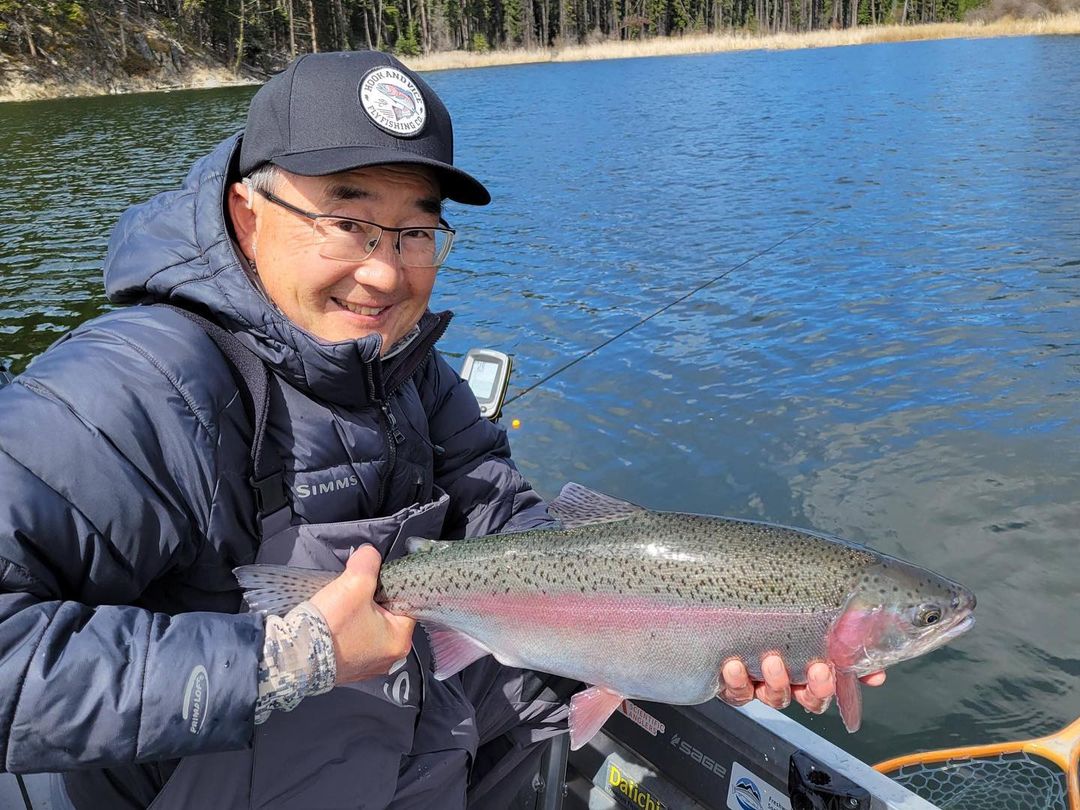
Stillwater Specialist • Fisheries Biologist • Author • Educator
Biography
Brian Chan is a Canadian stillwater fly-fishing specialist based in the Kamloops region of British Columbia, widely known for combining fisheries biology, entomology, and practical lake tactics into a systematic approach to catching trout in stillwaters. He spent decades as a provincial fisheries biologist managing small-lake recreational trout fisheries and is recognized as a leading educator on chironomid fishing, lake structure, and seasonal stillwater strategy.
Books & Written Work
-
Morris & Chan: Fly Fishing Trout Lakes
-
Stillwater Solutions: Recipes — 30 Proven Patterns
-
Expert Techniques for Stillwater Fly Fishing (DVD)
-
Conquering Chironomids Volumes (digital downloads)
Video / Online Tutorials
-
YouTube instructional series on chironomid and stillwater fishing
-
Retro / early stillwater episodes featuring Chan on The New Fly Fisher
-
Podcast episode WFS 243 – Brian Chan on Fly Fishing Trout Lakes featuring tactics explanation
Other Media
-
Guest appearances and educational segments on stillwater tactics, chironomid presentations, and lake structure topics
Core Philosophy
Chan’s approach is built around biological realism and repeatability—understanding what trout eat in lakes, where that food lives, and how trout position to feed.
He consistently emphasizes three priorities:
-
Location: fish where food concentrates (shoals, drop-offs, weed edges, migration routes).
-
Depth control: present flies in the active feeding band.
-
Natural behavior: use tactics that match how stillwater prey actually moves (chironomid ascent, leech drift, baitfish movement).
Depth control and lake structure are central themes in his teaching, frequently supported by depth-sounder mapping and careful positioning on productive contours.
Techniques
Chironomids Under an Indicator
Chan is strongly associated with chironomid fishing and teaches it as a primary stillwater method when trout are feeding on pupae. Indicator presentation is used to suspend the fly at a precise depth and keep it there consistently while the boat drifts naturally.
Key themes in his chironomid system include life-cycle timing and depth control—especially when pupae are not simply “rocketing” to the surface but behaving in ways that require anglers to fish specific zones and adjust depth with intention.
Deep-Line Chironomids
Chan also demonstrates chironomid methods using full-sinking lines to cover deeper zones or to maintain depth without an indicator when conditions call for it.
Leech and Attractor Presentations
Leeches are treated as a foundational stillwater food form. Chan emphasizes patterns that “breathe” and move at low speed and highlights balanced presentations that hang horizontally under an indicator and can also be effective on a retrieve.
Fly Patterns
Chan’s fly selection is tightly tied to the “big lake foods”—chironomids, leeches, damsels/dragonflies, and baitfish where applicable. He favors patterns that fish cleanly at controlled depth and maintain a lifelike profile while suspended or slowly retrieved.
Ruby Eye Leech (Balanced)
One of Chan’s signature stillwater patterns. The balanced design was developed to suspend in a natural horizontal posture under an indicator and is also valued for a jigging action on the retrieve; it tends to ride hook-point up, helping around weeds and debris.
Chironomid Pupae Patterns
Chan is widely recognized for chironomid expertise and promotes slender, depth-specific pupa patterns that match local size and color—fished either under an indicator or with deep-line methods depending on water depth and hatch behavior.
Stillwater “Key Food Group” Patterns
His broader stillwater pattern approach is captured in his published work with Phil Rowley, emphasizing proven patterns across the major lake food categories and how to fish them effectively.
Equipment
Chan’s tactics frequently assume a boat-based stillwater platform and precise depth management.
-
Depth sounder/fish finder for mapping contours, shoals, and depth windows where trout feed.
-
Floating line + indicator for chironomids and balanced patterns when trout feed at a fixed depth.
-
Sinking line systems (including deep-line chironomid methods) when covering deeper water or controlling depth without an indicator.
Summary Mantra
Brian Chan’s stillwater framework is defined by biology-driven decisions: fish where the food is, control depth precisely, and present flies in ways that match real prey behavior. His chironomid systems and balanced leech approach have become modern reference points for anglers trying to make stillwater success repeatable rather than accidental.